
Korean Braised Short Ribs (galbi Jjim Inspired)
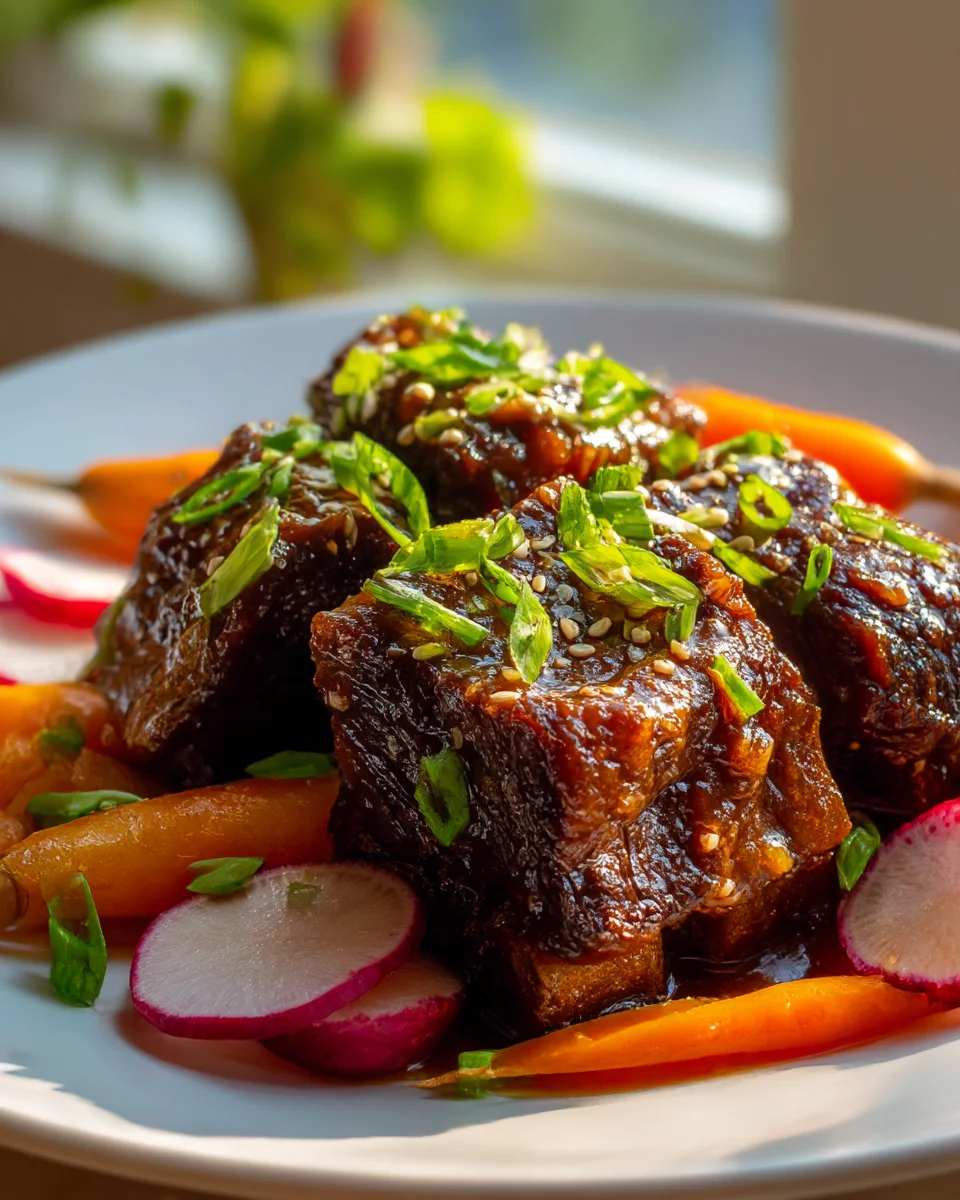
Oh my goodness, get ready to dive headfirst into a bowl of pure comfort because today, I’m sharing my absolute favorite recipe: Korean Braised Short Ribs (galbi Jjim Inspired). This isn’t just any braised beef; it’s a labor of love that pays off in the most spectacular way. Imagine incredibly tender, fall-off-the-bone beef short ribs, swimming in a rich, deeply savory, and subtly sweet sauce that will make your taste buds sing.
What makes this particular galbi jjim so special is the magic of slow cooking, transforming humble ingredients into something truly extraordinary. We’re talking about succulent beef that practically melts in your mouth, infused with aromatic garlic, ginger, soy, and a hint of fruit for that signature Korean sweetness, all without a drop of alcohol. It’s a symphony of flavors that manages to be both complex and incredibly comforting. You’ll adore how effortlessly impressive this dish is, whether you’re serving it for a special gathering or simply treating yourself to a luxurious weeknight meal. It’s the kind of dish that warms you from the inside out and leaves you feeling utterly satisfied, promising a culinary experience you won’t soon forget.
Ingredient Notes
Making Korean Braised Short Ribs, or galbi jjim inspired, at home is a truly rewarding experience. The magic lies in a harmonious blend of savory, sweet, and umami flavors, creating incredibly tender beef that just melts in your mouth. Here are the key ingredients I rely on and some helpful substitutions to keep in mind:
- Beef Short Ribs (English Cut): I always opt for bone-in English-cut beef short ribs for the best flavor and texture. The bone contributes so much to the richness of the braising liquid. Aim for ribs that have a good amount of meat on them. If you can only find boneless, those will work too, just be aware that the braising time might be slightly shorter, and the final sauce might be a little less deeply flavored.
- Aromatics:
- Garlic and Ginger: Fresh is non-negotiable here! They form the aromatic backbone of the sauce, providing warmth and pungency.
- Onion: A whole onion is blended into the braising liquid, adding a natural sweetness and depth.
- Green Onions: Primarily used for garnish, but a few stalks can be added to the braise towards the end for a subtle oniony freshness.
- Braising Liquid Base: This is where the signature galbi jjim flavor comes from!
- Soy Sauce: I use regular soy sauce for its deep umami. If you’re watching your sodium, feel free to use a low-sodium variety.
- Asian Pear (or Apple/Kiwi): This is a secret weapon! Blending an Asian pear into the sauce not only adds a delicate natural sweetness but, more importantly, its enzymes help tenderize the beef. If you can’t find an Asian pear, a Fuji apple, Bosc pear, or even a kiwi can be good substitutes, though they’ll impart a slightly different flavor profile.
- Brown Sugar (or Honey/Rice Syrup): For that characteristic sweet note. Brown sugar gives a lovely molasses-like depth, but honey or Korean rice syrup (mulyeot) are excellent alternatives.
- Sesame Oil: Added to the sauce and as a finishing drizzle, it brings a nutty, rich aroma that’s quintessential Korean.
- Black Pepper: Freshly ground black pepper adds a subtle kick that balances the sweetness.
- Non-Alcohol Alternative: Traditional galbi jjim often includes rice wine. To keep it non-alcoholic, I often add a splash of apple juice or extra beef broth to the sauce. This provides a similar depth and balance of flavor without the alcohol.
- Vegetables: These add texture, color, and additional nutrients to the dish.
- Carrots: Cut into large, rustic chunks so they hold up during the long braise.
- Daikon Radish: Another traditional addition, daikon absorbs the flavors beautifully and becomes wonderfully tender. If daikon isn’t available, large chunks of potato can be a decent substitute, though the texture will be different.
- Shiitake Mushrooms: I love using dried shiitake mushrooms rehydrated in warm water; their umami flavor is intense. Fresh shiitake or even cremini mushrooms also work well. Remember to reserve the soaking liquid from dried mushrooms – it’s liquid gold for the sauce!
- Jujubes (Dried Korean Dates) & Ginkgo Nuts: These are optional but add an authentic touch of subtle sweetness and a unique texture.
- Thickener (Optional): If you prefer a slightly thicker sauce at the end, a cornstarch slurry (cornstarch mixed with a little cold water) can be whisked in during the last few minutes of simmering.
Step-by-Step Instructions
Preparing galbi jjim is a labor of love, but each step is straightforward and contributes to the incredible final result. I find the process therapeutic, and the aroma filling my kitchen is pure bliss!
- Prepare the Short Ribs: This is a crucial step for clean, clear, and flavorful braising liquid.
- First, I like to soak the short ribs in cold water for at least 30 minutes, or even a few hours, changing the water a couple of times. This helps to draw out any residual blood and impurities.
- Next, I blanch them. Bring a large pot of water to a rolling boil. Add the soaked ribs and boil for 5-10 minutes. You’ll see a lot of foam and scum rise to the surface – that’s exactly what we want to get rid of!
- Drain the ribs in a colander and rinse each piece thoroughly under cold running water, scrubbing away any remaining impurities or bone fragments. Trim any excess fat if desired.
- Make the Braising Sauce:
- In a blender or food processor, combine the chopped onion, peeled garlic, peeled ginger, Asian pear (or substitute), soy sauce, brown sugar, sesame oil, black pepper, and the non-alcohol alternative (apple juice or beef broth). Blend until completely smooth.
- If using dried shiitake mushrooms, rehydrate them according to package directions and reserve the soaking liquid. Strain the liquid through a fine-mesh sieve to remove any grit, then add it to the blended sauce.
- Brown the Ribs (Optional but Recommended):
- While not strictly necessary, I find that browning the ribs before braising adds a wonderful depth of flavor and color.
- Heat a large, heavy-bottomed pot or Dutch oven over medium-high heat. Add a tablespoon of neutral oil. Sear the prepared short ribs in batches until nicely browned on all sides. Don’t overcrowd the pot. Remove the browned ribs and set aside.
- Braise the Ribs:
- Return the browned ribs to the pot (or if skipping browning, place the cleaned ribs directly into the pot).
- Pour the prepared braising sauce over the ribs. Add enough water or beef broth to just barely cover the ribs.
- Add the large chunks of carrots and daikon radish. If using jujubes and ginkgo nuts, add them now.
- Bring the liquid to a boil, then reduce the heat to low, cover the pot tightly, and simmer gently for 2 to 2.5 hours, or until the ribs are very tender. The meat should be easily pierced with a fork but still clinging to the bone.
- Pressure Cooker/Instant Pot Method: If using a pressure cooker or Instant Pot, add all ingredients (ribs, sauce, vegetables, and enough liquid to cover) and cook on high pressure for 45-50 minutes, then allow for a natural release for 10-15 minutes before quick-releasing any remaining pressure.
- Add Remaining Vegetables & Finish:
- Once the ribs are tender, add the rehydrated or fresh shiitake mushrooms to the pot. Cook for another 20-30 minutes, or until the mushrooms are tender and have absorbed the sauce.
- Taste the sauce and adjust seasonings if necessary. If you want a thicker sauce, remove the ribs and vegetables, then bring the sauce to a simmer and whisk in a cornstarch slurry (1 tbsp cornstarch mixed with 2 tbsp cold water) until it reaches your desired consistency.
- Serve:
- Garnish generously with chopped green onions and a sprinkle of toasted sesame seeds.
- Serve hot with a bowl of freshly steamed white rice and your favorite Korean side dishes (banchan).
Tips & Suggestions
Over the years, I’ve gathered a few tips that really elevate my galbi jjim. These little details can make a big difference in the final dish:
- Don’t Skip the Rib Prep!: Seriously, soaking and blanching the ribs is not just a suggestion; it’s essential for a clean, non-gamey flavor and a beautifully clear, rich sauce. It takes a little extra time, but it’s worth every minute.
- Patience for Tenderness: Galbi jjim is all about low and slow cooking. Rushing the braising process will result in tough ribs. Let it simmer gently; that’s how the magic happens and the meat becomes fall-off-the-bone tender. If using a stovetop, check the liquid level periodically and add a little more hot water or broth if it’s getting too low.
- Taste and Adjust: The beauty of home cooking is adjusting flavors to your preference. Always taste the sauce before and during braising. Need more sweetness? Add a touch more brown sugar or honey. Too sweet? A splash more soy sauce or a pinch of salt might balance it. The flavor should be a harmonious blend of savory and sweet.
- Vegetable Timing Matters: Harder root vegetables like carrots and daikon go in at the beginning because they need a long time to become tender and absorb the flavors. Softer vegetables, like mushrooms, are best added towards the end to prevent them from becoming mushy.
- Make Ahead for Deeper Flavor: This dish is one of those rare gems that tastes even better the next day! The flavors meld and deepen overnight, making it perfect for entertaining or meal prep. You can even make it a day or two in advance.
- Serving Suggestions: While perfect with plain white rice, don’t hesitate to serve it alongside some fresh kimchi, a simple cucumber salad, or other assorted banchan. The vibrant side dishes complement the rich braised ribs beautifully.
- Garnish Generously: A sprinkle of fresh chopped green onions and toasted sesame seeds not only adds visual appeal but also a lovely freshness and nutty aroma that cuts through the richness of the dish.
Storage
One of the best things about making a big batch of galbi jjim is knowing you’ll have delicious leftovers! Here’s how I store mine:
- Refrigeration: Once completely cooled to room temperature, transfer the Korean Braised Short Ribs (including the sauce and vegetables) to an airtight container. It will keep beautifully in the refrigerator for up to 3-4 days. The flavors actually deepen overnight, making it even more delicious the next day!
- Freezing: Galbi jjim freezes exceptionally well. Again, ensure it’s completely cooled. Transfer portions to freezer-safe airtight containers or heavy-duty freezer bags. If using bags, try to remove as much air as possible before sealing. It can be frozen for up to 2-3 months.
- Thawing & Reheating:
- From Frozen: For best results, I recommend thawing frozen galbi jjim in the refrigerator overnight.
- Reheating on the Stovetop: Place the thawed or refrigerated ribs and sauce in a pot or Dutch oven over medium-low heat. Stir gently and heat until warmed through, about 10-15 minutes, adding a splash of water or broth if the sauce seems too thick.
- Reheating in the Microwave: For individual portions, transfer to a microwave-safe dish, cover loosely, and heat on medium power, stirring occasionally, until hot. This usually takes 2-4 minutes depending on your microwave and portion size.
Final Thoughts
And there you have it! We’ve journeyed through creating a dish that truly embodies comfort, elegance, and incredible flavor. I truly hope you enjoyed preparing these Korean Braised Short Ribs (galbi Jjim Inspired) as much as I adore sharing this recipe with you.
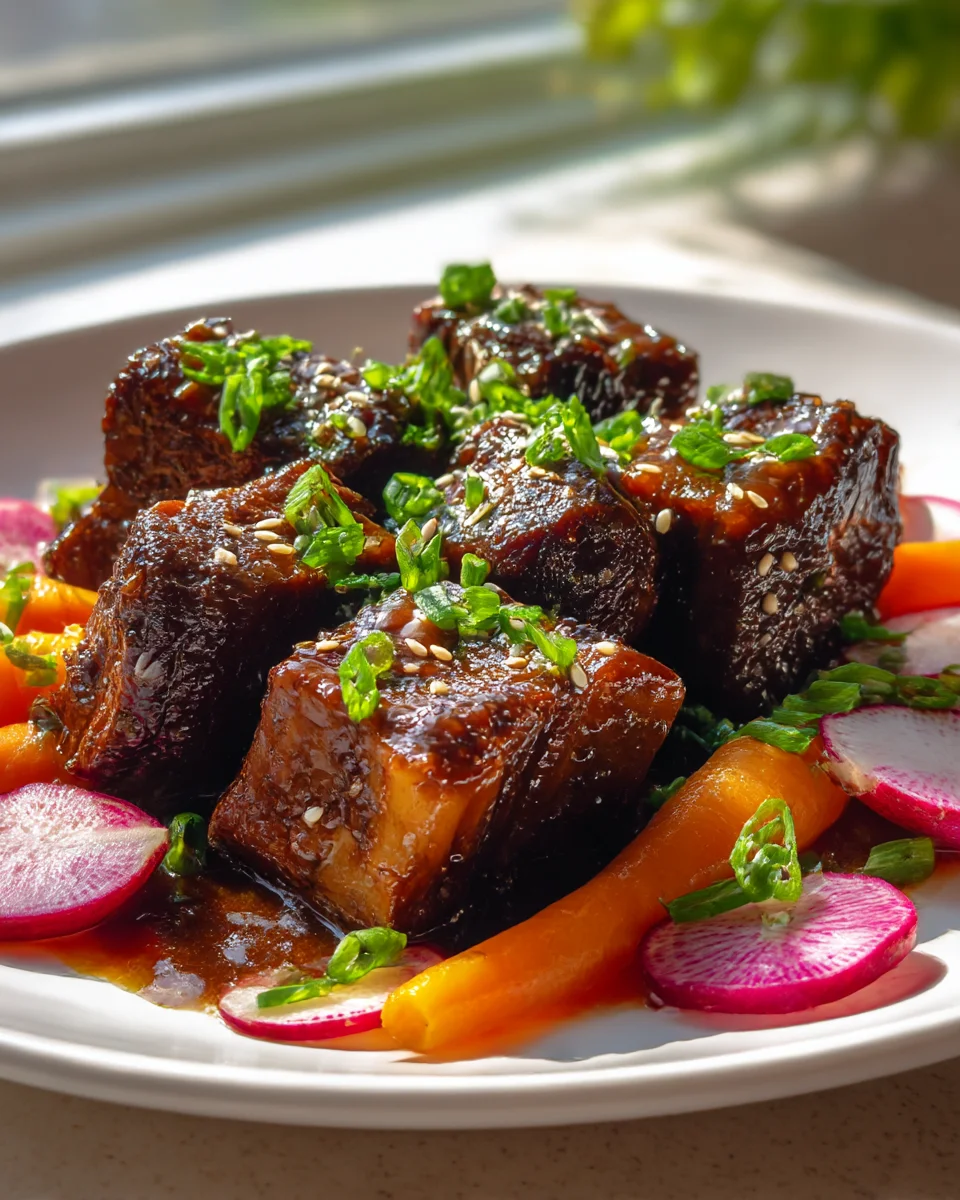
This isn’t just a meal; it’s an experience. The way the tender beef short ribs practically melt in your mouth, infused with that deeply savory, slightly sweet, and utterly complex sauce – it’s simply unparalleled. It’s a dish that warms the soul, brings people together, and truly makes any occasion feel special, whether it’s a festive gathering or a cozy family dinner.
So, if you’re looking for a show-stopping main course that’s surprisingly approachable and incredibly rewarding, I wholeheartedly encourage you to give these Korean Braised Short Ribs (galbi Jjim Inspired) a try. I promise, the rich aromas filling your kitchen and the incredible taste will make all your efforts wonderfully worthwhile. Enjoy every single bite!

Best Korean Braised Short Ribs Recipe (Easy Galbi Jjim)
- Total Time: 43 minute
- Yield: 4 servings
Description
Dive into a bowl of pure comfort with these incredibly tender Korean Braised Short Ribs, swimming in a rich and savory sauce. This dish is a labor of love that promises a culinary experience you won’t soon forget.
Ingredients
- Beef Short Ribs (English Cut)
- Garlic
- Ginger
- Onion
- Green Onions
- Soy Sauce
- Asian Pear (or Apple/Kiwi)
- Brown Sugar (or Honey/Rice Syrup)
- Sesame Oil
- Black Pepper
- Non-Alcohol Alternative (apple juice or beef broth)
- Carrots
- Daikon Radish
- Shiitake Mushrooms
- Jujubes (Dried Korean Dates) & Ginkgo Nuts (optional)
- Cornstarch (optional, for thickening)
Instructions
- Prepare the Short Ribs: Soak the short ribs in cold water for at least 30 minutes, changing the water a couple of times. Blanch them in boiling water for 5-10 minutes, then drain and rinse thoroughly.
- Make the Braising Sauce: In a blender, combine onion, garlic, ginger, Asian pear, soy sauce, brown sugar, sesame oil, black pepper, and the non-alcohol alternative. Blend until smooth.
- Brown the Ribs (Optional but Recommended): Heat a pot over medium-high heat, add oil, and sear the short ribs until browned on all sides. Remove and set aside.
- Braise the Ribs: Return the ribs to the pot, pour the braising sauce over them, and add enough water or beef broth to cover. Add carrots and daikon radish. Bring to a boil, then reduce heat to low, cover, and simmer for 2 to 2.5 hours.
- Pressure Cooker/Instant Pot Method: Add all ingredients to the pressure cooker and cook on high pressure for 45-50 minutes, then allow for a natural release.
- Add Remaining Vegetables & Finish: Once the ribs are tender, add shiitake mushrooms and cook for another 20-30 minutes. Adjust sauce thickness if desired using a cornstarch slurry.
- Serve: Garnish with chopped green onions and toasted sesame seeds. Serve hot with steamed white rice and Korean side dishes.
- Prep Time: 30 mins
- Cook Time: 2.5 hours
- Category: Dinner
- Method: Braising
- Cuisine: Korean
Nutrition
- Serving Size: 1 bowl
- Calories: 600
- Sugar: 10 g
- Sodium: 800 mg
- Fat: 40 g
- Saturated Fat: 15 g
- Unsaturated Fat: 20 g
- Trans Fat: 0 g
- Carbohydrates: 30 g
- Fiber: 5 g
- Protein: 35 g
- Cholesterol: 100 mg
Keywords: Soaking and blanching the ribs is essential for a clean flavor. Adjust sweetness and saltiness to your preference during cooking. The dish tastes even better the next day!
Leave a Comment