
Lobster Risotto With White Grape Juice
Hello, fellow food lovers! I’m absolutely thrilled to share one of my all-time favorite showstoppers with you today: Lobster Risotto With White Grape Juice. Now, I know what you might be thinking – lobster risotto sounds incredibly fancy, and it is, but trust me, it’s also surprisingly approachable and utterly divine. What makes this particular recipe so special, you ask? Well, it’s the brilliant marriage of succulent, sweet lobster with the creamy, comforting embrace of classic risotto, all uplifted by a delightful secret ingredient: white grape juice!
Forget the usual white wine; this recipe takes a wonderfully innovative turn by using white grape juice, which infuses the dish with a subtle, fruity sweetness and a delicate acidity that perfectly complements the richness of the lobster without any alcohol. It creates a bright, complex flavor profile that I promise you’ll fall in love with. You’ll adore this dish because it feels incredibly luxurious and impressive, making it perfect for a special date night, a celebratory meal, or simply when you want to treat yourself to something extraordinary.
At its heart, this is a beautiful risotto where Arborio rice is patiently cooked to a perfect al dente, absorbing layers of flavor from a savory broth and, of course, that wonderful white grape juice. Then, generous pieces of tender lobster are folded in, creating a dish that’s not just a meal, but an experience. It’s creamy, it’s comforting, and it has that unmistakable gourmet touch, all thanks to its thoughtfully balanced ingredients. Let’s get cooking!
Ingredient Notes
Crafting the perfect Lobster Risotto With White Grape Juice begins with understanding each star player in this luxurious dish. I’ve chosen ingredients that sing together, creating a symphony of flavors and textures that you’ll absolutely adore.
The Lobster
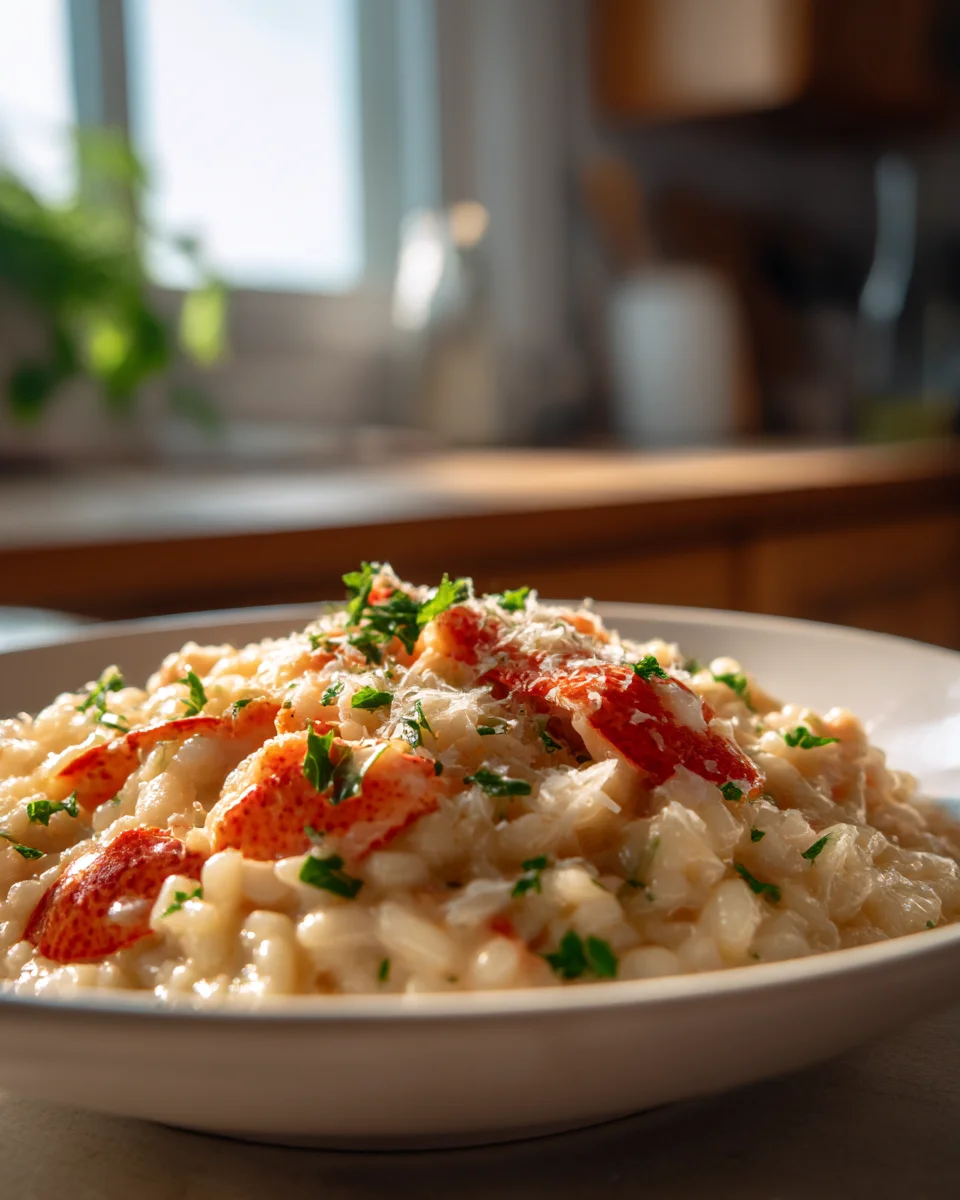
For me, the star of the show is, naturally, the lobster. I usually opt for fresh lobster tails, about 4-6 ounces each, for their sweet, tender meat and ease of preparation. You can also use a whole small lobster if you’re comfortable breaking it down. If fresh isn’t available, good quality frozen lobster tails work beautifully – just be sure to thaw them properly in the refrigerator overnight before you plan to cook. I like to poach or steam the lobster lightly, just until it’s cooked through but still very tender, then dice it into bite-sized pieces. Remember to save any shells if you’re making your own stock; they add incredible depth! For this recipe, I reserve a few prettier pieces for a garnish on top, making each plate look extra special.
Risotto Rice
When it comes to risotto, the choice of rice is paramount. I always reach for Arborio or Carnaroli rice. These varieties are high in starch, which is crucial for achieving that signature creamy texture we all crave in a risotto. Their plump grains absorb liquid beautifully without becoming mushy. Please don’t substitute with long-grain rice; it simply won’t yield the same luscious result.
White Grape Juice (The Non-Alcoholic Star!)
This is where our recipe truly shines and sets itself apart! Instead of traditional white wine, I use white grape juice to deglaze the pan and add a delicate, fruity sweetness that beautifully complements the lobster. It provides that essential touch of acidity and complexity without any alcohol, making it a wonderful option for everyone to enjoy. I recommend using a good quality, unsweetened or lightly sweetened white grape juice for the best balance of flavor. It brings a surprising brightness that really lifts the dish, so don’t be shy about it!
Broth
A flavorful broth is the backbone of any great risotto. Ideally, I love using a homemade seafood broth made from lobster shells or fish bones, as it truly deepens the oceanic notes. However, a good quality store-bought seafood broth or even a vegetable broth will work wonderfully. The key is to ensure your broth is hot when you add it to the rice; this helps maintain the cooking temperature and ensures a consistently creamy risotto. I avoid using chicken broth here, as its flavor profile can sometimes overpower the delicate lobster and grape juice combination.
Aromatics & Fat
Shallots and garlic form the fragrant base of my risotto. Shallots are milder and sweeter than onions, offering a more refined flavor that doesn’t compete with the lobster. Good quality extra virgin olive oil and unsalted butter are essential for sautéing and finishing the risotto, contributing richness and a silky texture.
Finishing Touches
Freshly grated Parmesan cheese is non-negotiable for that salty, umami kick and extra creaminess. A small pat of unsalted butter and, optionally, a tablespoon of mascarpone cheese stirred in at the end further enhance the risotto’s luxurious mouthfeel. Finally, I love a sprinkle of fresh parsley or chives for a pop of color and a fresh, herbaceous finish.
Step-by-Step Instructions
Let me walk you through how I prepare this delightful Lobster Risotto With White Grape Juice. Patience and attention to detail are your best friends here!
-
Prepare Your Lobster:
First, I gently poach or steam my lobster tails until just cooked through, about 5-7 minutes depending on size. The meat should be opaque but still tender. Once cool enough to handle, I carefully remove the meat from the shells and dice it into bite-sized pieces. I like to set aside a few larger, prettier pieces for garnish later. If you’re using a whole lobster, steam or boil it, then extract the meat and chop it.
-
Set Up Your Station:
This is crucial for risotto success! I make sure my hot broth is simmering gently in a saucepan next to my main cooking pot. I also have my measured white grape juice, rice, aromatics, and other ingredients ready and within reach. Mise en place, as they say!
-
Sauté the Aromatics:
In a heavy-bottomed pot or Dutch oven, I melt about 2 tablespoons of unsalted butter with a tablespoon of olive oil over medium heat. Once shimmering, I add my finely minced shallots and cook them gently until they’re soft and translucent, usually about 3-5 minutes. Then, I stir in the minced garlic and cook for just another minute until fragrant, being careful not to let it brown.
-
Toast the Rice:
Now, I add the Arborio or Carnaroli rice to the pot, stirring constantly for about 2-3 minutes. I want each grain to be lightly coated in the butter and oil and to become slightly translucent around the edges with a tiny opaque center. This toasting step is vital for developing the nutty flavor and ensuring the rice cooks evenly.
-
Deglaze with White Grape Juice:
Next, I pour in the white grape juice. You’ll hear a wonderful sizzle! I stir continuously, scraping up any delicious browned bits from the bottom of the pan, until the juice is almost completely absorbed by the rice. This step adds a beautiful sweetness and a touch of acidity that truly makes the lobster sing.
-
Gradually Add Broth:
This is the heart of making risotto. I add one ladleful (about ½ cup) of the hot broth to the rice, stirring gently but constantly. I don’t add the next ladleful until the previous one has been almost entirely absorbed. This process releases the starch from the rice, creating that characteristic creamy texture. It usually takes about 18-22 minutes, and I keep stirring and adding broth, one ladle at a time, until the rice is al dente – cooked through but still with a slight bite in the center.
-
Fold in the Lobster and Finish:
When the risotto is almost done, just a minute or two before it reaches al dente, I gently fold in the diced lobster meat. I want it to warm through, not cook further. Then, I take the pot off the heat and stir in the remaining tablespoon of unsalted butter, the freshly grated Parmesan cheese, and if I’m feeling extra indulgent, a tablespoon of mascarpone cheese. I stir vigorously until everything is beautifully combined and the risotto is wonderfully creamy and glossy. I season with salt and freshly ground black pepper to taste.
-
Rest and Serve:
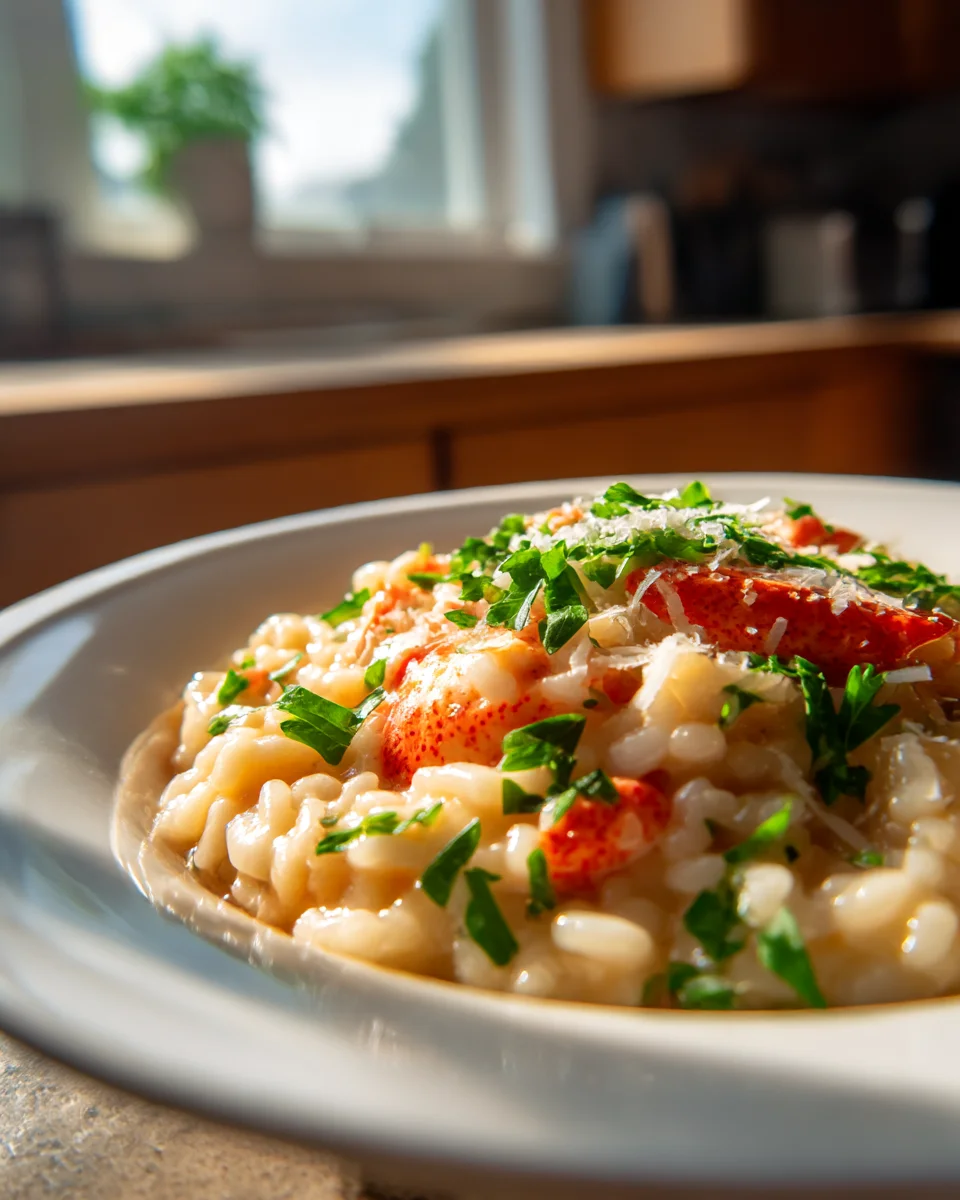
I cover the pot and let the risotto rest for 2-3 minutes. This allows the flavors to meld and the texture to become even more perfect. Finally, I spoon the risotto into warm bowls, garnish with those reserved lobster pieces, and a sprinkle of fresh parsley or chives. Serve immediately and enjoy!
Tips & Suggestions
Making a truly memorable Lobster Risotto With White Grape Juice is all about those little details. Here are my go-to tips to ensure your dish is nothing short of spectacular:
-
Keep Your Broth Hot:
I cannot stress this enough! Always keep your broth simmering gently in a separate saucepan. Adding cold broth to hot rice will shock the grains, lower the cooking temperature, and result in an unevenly cooked, gummy risotto. Consistency is key for that perfect creamy texture.
-
Stirring Technique:
While risotto requires constant stirring, it doesn’t need to be frantic. A gentle, continuous stir is enough to release the starches from the rice grains, creating that beautiful creaminess. Over-stirring can make the risotto gluey, while not stirring enough will prevent the starch from being released evenly.
-
Achieving Al Dente:
The perfect risotto is al dente – meaning “to the tooth.” It should be creamy and flowing (not a solid mass), with each grain cooked through but still retaining a slight chewiness in the center. Taste frequently towards the end of the cooking process to nail that perfect texture. Remember, it will continue to cook slightly during the resting period.
-
The White Grape Juice Factor:
Embrace the white grape juice! It’s what gives this specific risotto its unique non-alcoholic sweetness and acidity. I recommend choosing a good quality, not-too-sweet white grape juice to maintain balance. Its brightness is a fantastic counterpoint to the rich lobster and creamy rice, creating a more nuanced flavor profile than you might expect. If you find your juice is very sweet, a small squeeze of fresh lemon juice at the end can balance it out beautifully, but I usually don’t find it necessary.
-
Quality of Lobster:
Since lobster is the star, invest in good quality meat. Overcooked lobster becomes rubbery and loses its delicate flavor, so be very careful not to overcook it in the initial preparation. When you add it to the risotto, you’re merely warming it through, not cooking it further.
-
Serve Immediately:
Risotto is a dish that waits for no one! Its texture is at its peak right after it’s finished cooking and rested for a couple of minutes. The longer it sits, the more the rice continues to absorb liquid and lose its ideal consistency. So, have your bowls warm and ready to go!
-
Garnish Thoughtfully:
A simple garnish can elevate the presentation. I always opt for fresh herbs like finely chopped parsley or chives. The vibrant green not only adds visual appeal but also a fresh herbaceous note that complements the richness of the dish. Those reserved, slightly larger pieces of lobster meat on top also make a lovely statement.
Storage
While risotto is best enjoyed fresh off the stove, I understand that sometimes you might have leftovers. Here’s how I handle storing and reheating my Lobster Risotto With White Grape Juice:
-
Refrigeration:
If you have any leftover risotto, allow it to cool completely before transferring it to an airtight container. I usually place it in the refrigerator within an hour or two of cooking. It will keep well in the fridge for 1 to 2 days. Keep in mind that the texture will change; it will become much firmer as the rice continues to absorb the liquid and cool down.
-
Reheating:
Reheating risotto perfectly can be a bit tricky, but it’s certainly doable! I find the best way is to reheat it gently on the stovetop. Transfer the desired portion to a saucepan and add a splash or two of additional hot broth (seafood or vegetable) or even just a little water. Stir constantly over low to medium-low heat, gradually adding more liquid until the risotto loosens up and reaches a creamy consistency again. You won’t quite get the exact same al dente texture as freshly made, but it will still be delicious. Avoid reheating in the microwave if possible, as it can dry out the lobster and make the rice overly sticky or hard in places.
-
Freezing:
I generally do not recommend freezing risotto, especially one with delicate seafood like lobster. The texture of both the rice and the lobster can suffer significantly upon thawing and reheating, becoming mushy or rubbery. This dish is truly meant to be savored fresh.
Final Thoughts
And there you have it! We’ve journeyed through the creation of a truly magnificent dish. I hope you’re feeling inspired to bring the extraordinary flavors of Lobster Risotto With White Grape Juice to your own kitchen.
This isn’t just any risotto; it’s a celebration of indulgence and thoughtful innovation. The succulent bites of lobster, perfectly cooked, meet their match in the creamy Arborio rice, which is infused with that delicate, surprising sweetness and gentle acidity from the white grape juice. It’s this unique twist that elevates the dish, making it wonderfully complex and incredibly satisfying without relying on traditional alcohol-based ingredients. It proves that sophisticated flavors are accessible to everyone!
Whether you’re looking to impress guests with a show-stopping meal, or simply treat yourself to a luxurious weeknight dinner, Lobster Risotto With White Grape Juice delivers on every front. Its rich texture, vibrant taste, and elegant presentation make it an unforgettable experience. Trust me, once you try this harmonious blend of sea and sweetness, it will surely become a cherished addition to your culinary repertoire. Go on, give it a try – you deserve this culinary delight!

Luxury Lobster Risotto With White Grape Juice
- Total Time: 45 minutes
- Yield: 4 servings 1x
Description
Indulge in this luxurious Lobster Risotto, where sweet lobster meets creamy Arborio rice, all elevated by the unique addition of white grape juice. Perfect for special occasions or a treat for yourself, this dish is a delightful culinary experience.
Ingredients
- 4–6 ounces fresh lobster tails (or a whole small lobster)
- Arborio or Carnaroli rice
- Good quality, unsweetened or lightly sweetened white grape juice
- Homemade seafood broth (made from lobster shells or fish bones) or good quality store-bought seafood broth or vegetable broth
- Shallots
- Garlic
- Extra virgin olive oil
- Unsalted butter
- Freshly grated Parmesan cheese
- Mascarpone cheese (optional)
- Fresh parsley or chives (for garnish)
- Salt
- Freshly ground black pepper
Instructions
- First, gently poach or steam the lobster tails until just cooked through, about 5-7 minutes. Once cool enough to handle, remove the meat from the shells and dice it into bite-sized pieces, reserving a few larger pieces for garnish.
- Ensure your hot broth is simmering gently in a saucepan next to your main cooking pot. Have your measured white grape juice, rice, aromatics, and other ingredients ready and within reach.
- In a heavy-bottomed pot or Dutch oven, melt about 2 tablespoons of unsalted butter with a tablespoon of olive oil over medium heat. Add finely minced shallots and cook until soft and translucent, about 3-5 minutes. Stir in minced garlic and cook for another minute until fragrant.
- Add the Arborio or Carnaroli rice to the pot, stirring constantly for about 2-3 minutes until each grain is lightly coated in the butter and oil and slightly translucent around the edges.
- Pour in the white grape juice, stirring continuously and scraping up any browned bits from the bottom of the pan until the juice is almost completely absorbed by the rice.
- Add one ladleful (about ½ cup) of the hot broth to the rice, stirring gently but constantly. Do not add the next ladleful until the previous one has been almost entirely absorbed. Continue this process for about 18-22 minutes until the rice is al dente.
- When the risotto is almost done, gently fold in the diced lobster meat and warm through. Remove from heat and stir in the remaining tablespoon of unsalted butter, freshly grated Parmesan cheese, and optionally, mascarpone cheese until combined and creamy. Season with salt and freshly ground black pepper to taste.
- Cover the pot and let the risotto rest for 2-3 minutes. Spoon the risotto into warm bowls, garnish with reserved lobster pieces and a sprinkle of fresh parsley or chives. Serve immediately.
- Prep Time: 15 mins
- Cook Time: 30 mins
- Category: Dinner
- Method: Cooking
- Cuisine: Italian
Nutrition
- Serving Size: 1 bowl
- Calories: 600
- Sugar: 5 g
- Sodium: 800 mg
- Fat: 25 g
- Saturated Fat: 10 g
- Unsaturated Fat: 15 g
- Trans Fat: 0 g
- Carbohydrates: 70 g
- Fiber: 2 g
- Protein: 30 g
- Cholesterol: 90 mg
Keywords: Keep your broth hot to ensure even cooking, and stir gently to release the starches for creaminess. Use good quality lobster and white grape juice for the best flavor.
Leave a Comment