
Greek Style Potato Wedges With Feta And Oregano
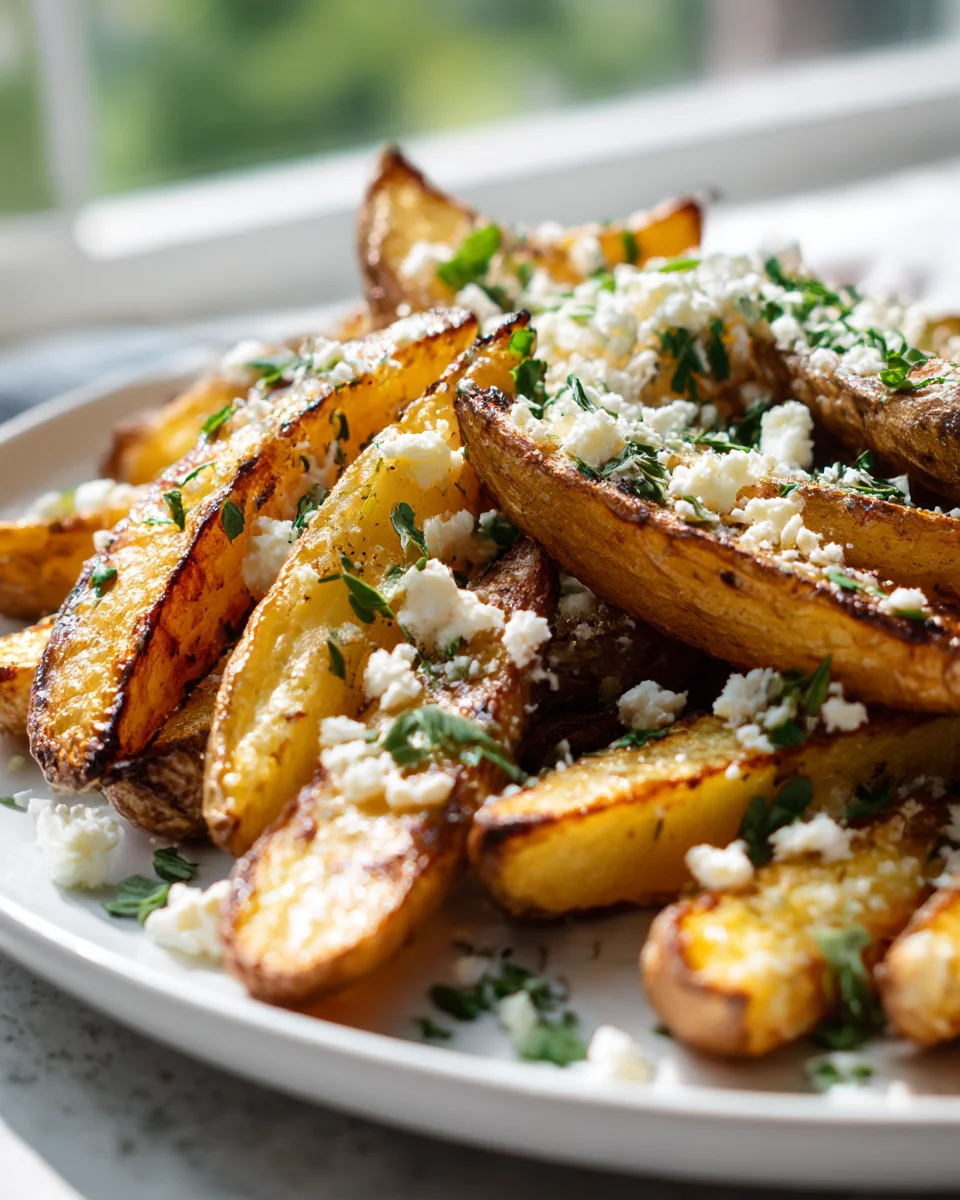
Oh, if you’re anything like me, you probably think there’s nothing quite like a good potato wedge. But let me tell you, we’re about to elevate those humble spuds to a whole new level with my recipe for Greek Style Potato Wedges With Feta And Oregano. This isn’t just another side dish; it’s a little taste of the Mediterranean sunshine right in your kitchen!
What makes these so incredibly special? Imagine perfectly crispy potato wedges, golden brown and tender on the inside, infused with the aromatic essence of dried oregano and a bright squeeze of lemon. Then, right as they emerge from the oven, we toss them with generous crumbles of salty, tangy feta cheese. The warmth of the potatoes softens the feta just slightly, creating pockets of creamy, savory goodness in every bite. It’s a symphony of textures and flavors that will absolutely tantalize your taste buds.
You are going to adore these wedges for so many reasons. They’re super easy to prepare, making them an ideal weeknight side dish, a crowd-pleasing appetizer, or even a satisfying light lunch. The combination of earthy potatoes, pungent oregano, and sharp feta is just irresistible, offering a sophisticated twist on a classic comfort food. Trust me, once you try these Greek-style wedges, you’ll never look at regular fries the same way again!
Ingredient Notes
Crafting the perfect batch of Greek-style potato wedges is all about selecting the right ingredients and understanding how they contribute to that irresistible Mediterranean flavor profile. I find that focusing on quality here truly makes a difference, especially with the feta and oregano!
Potatoes
- What I use: For potato wedges, I always reach for starchy potatoes like Russets (also known as baking potatoes) or Yukon Golds. Russets give you that lovely fluffy interior and incredibly crispy exterior, while Yukon Golds offer a slightly creamier texture and a rich, buttery flavor. Both are fantastic choices.
- Preparation: I make sure to scrub my potatoes really well under cold running water. I usually leave the skin on for extra crispiness and nutrients, but if you prefer, you can certainly peel them. The key is to cut them into even wedges, about 1/2 to 3/4 inch thick at their widest point. Uniformity is crucial for even cooking!
- Substitutions: While traditional, you could experiment with sweet potatoes for a healthier, sweeter twist. They won’t give you the same classic Greek flavor, but they’re delicious in their own right when seasoned similarly.
Olive Oil
- What I use: Extra virgin olive oil is non-negotiable for me in Greek-style dishes. Its fruity, slightly peppery notes are fundamental to the authentic taste. It also helps the potatoes crisp up beautifully and ensures all the seasonings adhere well.
- Quantity: Don’t be shy with the oil; it’s essential for achieving that golden-brown crust. I usually use a generous drizzle, enough to lightly coat all the wedges.
- Substitutions: In a pinch, a good quality regular olive oil will work, but I truly believe EVOO provides a superior flavor.
Seasonings
- Dried Oregano: This is the heart of the “Greek style.” I use a generous amount of dried Greek oregano. Its robust, earthy, slightly bitter notes are what transport you straight to the Mediterranean. Don’t skimp on this!
- Garlic Powder: For convenience and even distribution, garlic powder is my go-to. It infuses a lovely garlicky aroma without the risk of fresh garlic burning in the oven.
- Salt and Black Pepper: Standard, but essential. I use coarse sea salt or Kosher salt, which adhere well to the wedges, and freshly ground black pepper for a bit of warmth.
- Optional additions: Sometimes I’ll add a pinch of smoked paprika for a touch of color and deeper, smoky notes, or a tiny pinch of red pepper flakes if I’m feeling a bit of heat. A dash of dried dill can also be a wonderful addition, complementing the oregano.
- Substitutions: For a more intense garlic flavor, you could mince a couple of fresh garlic cloves and add them to the oil mixture, but be mindful as they can burn more easily. You could also try other Mediterranean dried herbs like thyme, though oregano remains paramount for that classic Greek profile.
Feta Cheese
- What I use: Good quality feta cheese is absolutely vital. I always look for authentic Greek feta, preferably made from sheep’s or a sheep’s and goat’s milk blend. It has a wonderfully salty, tangy, and creamy-yet-crumbly texture that elevates these wedges from simple potatoes to something truly special.
- Form: I buy it in a block and crumble it myself. This gives me a better texture than pre-crumbled feta, which can sometimes be too dry.
- When to add: I add the feta towards the end of the baking process or right after the wedges come out of the oven. This way, it softens beautifully and gets slightly warm, but doesn’t completely melt away or become overly salty.
- Substitutions: If you’re not a fan of feta, goat cheese can offer a similar tang and creaminess. For a dairy-free option, you could use a plant-based feta alternative, though the flavor will certainly differ.
Fresh Lemon (Optional but Recommended)
- What I use: A squeeze of fresh lemon juice over the hot wedges just before serving is my secret weapon. It brightens all the flavors, adds a lovely zing, and really makes the Greek profile pop. I might even add a tiny bit of lemon zest for extra aroma.
Step-by-Step Instructions
Making these Greek-style potato wedges is super straightforward, but I’ve found that paying attention to a few small details can make all the difference between good and absolutely amazing. Here’s how I get them perfectly crispy and flavorful every time!
- Preheat Your Oven: I always start by preheating my oven to a nice hot 400°F (200°C). High heat is key for crispy wedges! I also line a large baking sheet with parchment paper for easy cleanup and to prevent sticking.
- Prepare the Potatoes: First, I scrub my potatoes really well under cold water. As I mentioned, I typically leave the skin on for extra flavor and texture. Then, I carefully cut each potato lengthwise into even wedges. For a medium potato, this usually means cutting it in half, then each half into 3 or 4 wedges, aiming for about 1/2 to 3/4 inch thickness. Consistency here is important for even cooking. After cutting, I pat them thoroughly dry with paper towels. Excess moisture is the enemy of crispiness!
- Season the Wedges: In a large bowl, I combine the dried potato wedges with a generous drizzle of extra virgin olive oil. I usually start with about 2-3 tablespoons for 2 pounds of potatoes. Then, I add my seasonings: a good tablespoon of dried oregano, 1 teaspoon of garlic powder, 1 teaspoon of salt, and about 1/2 teaspoon of freshly ground black pepper. Now, I get my hands in there and toss everything together really well, making sure every single wedge is evenly coated with oil and spices. This hands-on approach ensures maximum flavor distribution.
- Arrange on Baking Sheet: I arrange the seasoned potato wedges in a single layer on my prepared baking sheet. It’s crucial not to overcrowd the pan. If the wedges are too close together, they’ll steam instead of roast, and you won’t get that lovely crisp exterior. If I’m making a large batch, I’ll use two baking sheets.
- Bake to Perfection: I slide the baking sheet into the preheated oven. I bake them for about 20-25 minutes, then I take the sheet out and flip each wedge to ensure even browning and crispiness on all sides. Then, I pop them back in for another 15-20 minutes, or until they’re golden brown, fork-tender on the inside, and beautifully crisp on the outside. Every oven is a little different, so I keep an eye on them.
- Add the Feta: Once the wedges are perfectly golden and crispy, I pull the baking sheet out. This is when I generously sprinkle the crumbled feta cheese all over the hot wedges. The residual heat from the potatoes and the pan will soften the feta just perfectly, making it warm and creamy without completely melting away.
- Final Touches and Serve: If I’m feeling fancy, I’ll add another sprinkle of fresh oregano or chopped fresh parsley for color and extra aroma. A final squeeze of fresh lemon juice over the entire batch is my absolute favorite way to finish them off; it truly brightens all those wonderful Greek flavors. I serve them immediately while they’re hot and at their crispiest!
Tips & Suggestions
I’ve made these Greek-style potato wedges more times than I can count, and along the way, I’ve picked up a few tricks that really elevate them from good to absolutely outstanding. Here are my top tips and some serving suggestions to make your batch the best it can be!
For Ultimate Crispiness
- Dry Those Potatoes: This is my number one tip! After you wash and cut your potato wedges, take the time to pat them really dry with paper towels. Any surface moisture will create steam in the oven, preventing that glorious crisp exterior we’re aiming for. Sometimes, if I have time, I’ll even let them air-dry on a clean kitchen towel for 15-20 minutes after patting them dry.
- Don’t Overcrowd the Pan: I know it’s tempting to cram all the wedges onto one baking sheet, but resist the urge! Overcrowding traps steam, making your potatoes soggy instead of crispy. Give each wedge some breathing room in a single layer. If necessary, use two baking sheets and rotate them halfway through baking for even browning.
- High Heat is Your Friend: A hot oven (400°F/200°C) is essential. This high temperature helps to quickly evaporate moisture and encourages the potatoes to crisp up beautifully rather than just soften.
- Flip Halfway: Don’t forget to flip your wedges halfway through the baking time. This ensures both sides get direct contact with the hot air and the baking sheet, leading to even crispiness and golden-brown perfection.
Flavor Boosts & Variations
- Lemon Zest & Juice: As I mentioned, a squeeze of fresh lemon juice at the end is a game-changer. For an even more intense citrus punch, try grating a little lemon zest into your olive oil and spice mixture before tossing the potatoes. It infuses a bright, aromatic flavor throughout.
- Fresh Herbs: While dried oregano is fundamental, a sprinkle of fresh oregano or chopped fresh parsley at the end adds a vibrant burst of flavor and a beautiful color. Fresh dill can also be a lovely addition, offering a slightly different but still very Greek herb note.
- Kalamata Olives: For an even more robust Greek profile, consider adding some pitted Kalamata olives to the baking sheet during the last 10 minutes of cooking, or simply toss them in with the finished wedges. Their salty, briny flavor pairs wonderfully.
- Add Veggies: Want to make it a more substantial side? I sometimes add quartered cherry tomatoes or thinly sliced red onion to the baking sheet during the last 15-20 minutes of baking. They’ll soften and caramelize slightly, adding extra depth.
- Spicy Kick: If you enjoy a little heat, a pinch of red pepper flakes tossed with the spices will give your Greek wedges a subtle fiery kick that complements the other flavors well.
Serving Suggestions
- Dipping Sauces: These wedges are fantastic on their own, but they’re even better with a dipping sauce! My favorites include a homemade tzatziki (yogurt, cucumber, garlic, dill), a spicy feta dip (tyrokafteri), or even just a simple lemon-tahini dressing.
- Main Dish Companion: These Greek-style potato wedges are the perfect accompaniment to grilled chicken, baked fish, or a flavorful beef dish like souvlaki or kofta. They also make a wonderful addition to a mezze platter alongside hummus, pita bread, and other dips.
- Breakfast/Brunch: Don’t limit them to dinner! These wedges are surprisingly good with scrambled eggs or as part of a savory brunch spread.
Storage
While these Greek-style potato wedges are definitely best enjoyed fresh and hot right out of the oven, I know that sometimes life happens, or you just want to make a bigger batch to have leftovers. Here’s how I handle storing them to keep them as tasty as possible.
Cooling Down
- Important First Step: Before attempting to store any leftovers, it’s crucial to let the potato wedges cool down completely at room temperature. Placing warm food directly into the refrigerator can create condensation, which leads to sogginess and can affect food safety. I usually spread them out on a plate or a wire rack to speed up the cooling process.
Refrigeration
- Airtight Container: Once fully cooled, I transfer the Greek-style potato wedges into an airtight container. This helps to protect them from absorbing other odors in the fridge and prevents them from drying out.
- How Long They Last: Stored properly in the refrigerator, these wedges will maintain their quality for about 3 to 4 days. After that, they might start to lose their texture and flavor.
- Texture Change: Be aware that reheated potato wedges will likely not be as crispy as they were when fresh. The starch in the potatoes tends to soften once cooled. However, with the right reheating method, you can definitely bring back some of that desired crispness.
Reheating
- Oven (My Preferred Method): For the best results and to reclaim some of that delightful crispiness, I always opt for the oven. I preheat my oven to 375°F (190°C). I spread the leftover wedges in a single layer on a baking sheet (you can line it with parchment paper). I bake them for about 10-15 minutes, or until they’re heated through and have started to crisp up again. Flipping them halfway helps ensure even reheating.
- Air Fryer (Excellent Alternative): If you have an air fryer, it’s fantastic for reheating! I place the cold wedges in a single layer in the air fryer basket (don’t overcrowd). I air fry them at 350°F (175°C) for about 5-8 minutes, shaking the basket once or twice, until they’re hot and crispy. This method is often quicker than the oven and yields similarly great results.
- Microwave (Use with Caution): While you can reheat them in the microwave, I honestly wouldn’t recommend it if you’re looking for crispness. The microwave will heat them thoroughly but will leave them soft, sometimes even a bit rubbery. If it’s your only option, microwave in short bursts (30-60 seconds) until heated through.
Freezing
- Not Ideal, But Possible: Freezing isn’t my first choice for these Greek-style potato wedges, as the texture can become quite mealy or mushy upon thawing and reheating. The feta cheese also doesn’t freeze and thaw particularly well, often becoming crumbly and dry.
- If You Must: If you really need to freeze them, I recommend freezing the wedges before adding the feta. Once they’ve cooled completely, spread them in a single layer on a baking sheet and flash-freeze for an hour or two until solid. Then, transfer them to a freezer-safe bag or airtight container. They can be stored for up to 1-2 months.
- Reheating from Frozen: To reheat, bake them from frozen in a preheated oven at 400°F (200°C) for about 20-30 minutes, or until hot and crispy. You can add fresh feta to the hot wedges after they’ve finished baking.
Final Thoughts
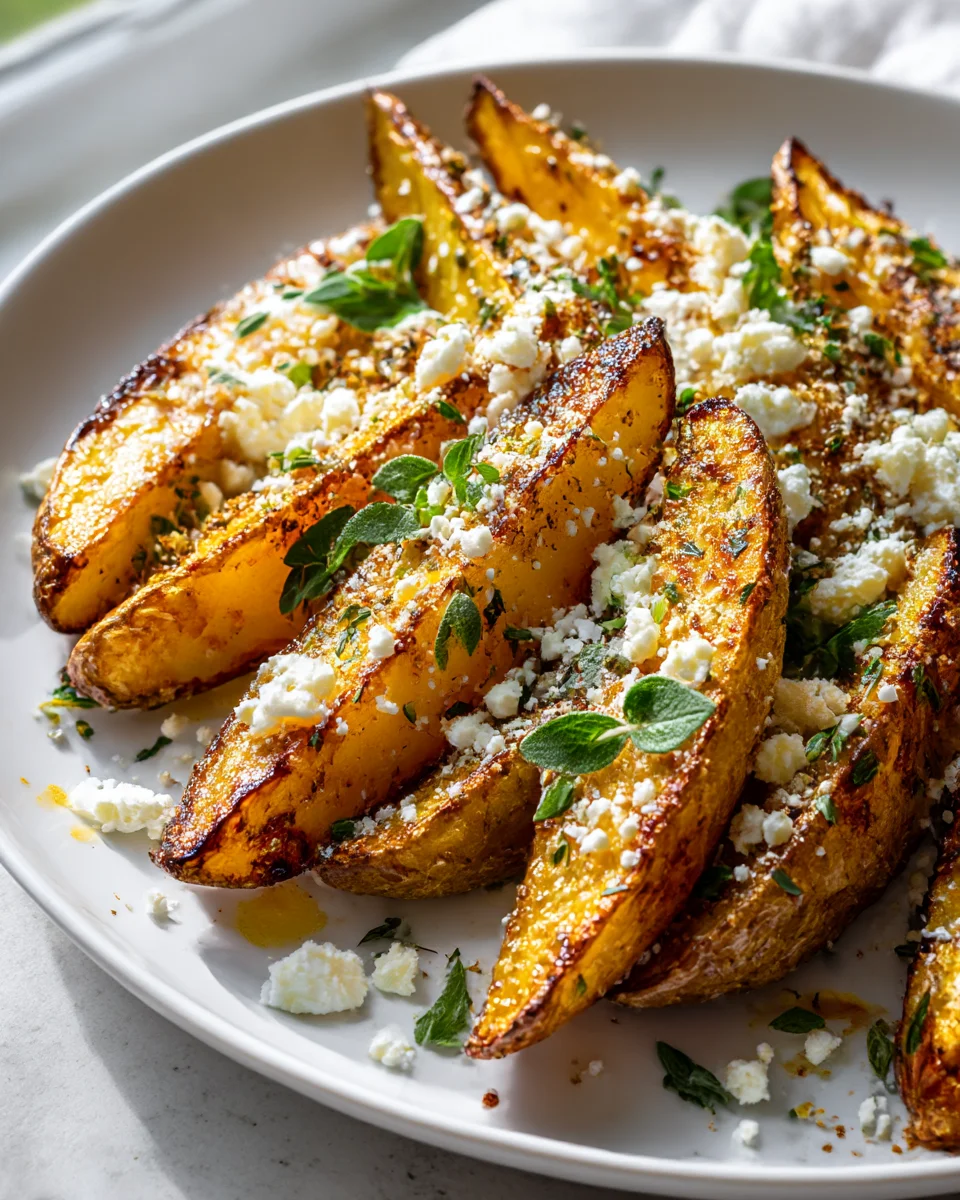
I hope you’re as excited as I am about these incredible Greek Style Potato Wedges With Feta And Oregano! There’s something truly magical about how the crispy, oven-baked potato wedges perfectly complement the tangy, creamy feta and the aromatic, earthy oregano. It’s a flavor combination that sings of sunny Mediterranean shores, bringing a vibrant, authentic taste right to your table. Whether you’re serving them alongside your favorite grilled beef, as a delightful appetizer for friends, or simply enjoying them as a satisfying snack, I promise these Greek Style Potato Wedges With Feta And Oregano are an absolute triumph. They’re easy to make, utterly delicious, and sure to become a cherished addition to your recipe collection. Give them a try – I know you’ll love them!

Crave-Worthy Greek Potato Wedges with Feta & Oregano
- Total Time: 55 minutes
- Yield: 4 servings 1x
Description
Elevate your side dish game with these crispy Greek-style potato wedges, infused with aromatic oregano and topped with creamy feta cheese. A perfect blend of flavors that brings a taste of the Mediterranean to your table!
Ingredients
- 2 pounds starchy potatoes (Russets or Yukon Golds)
- Extra virgin olive oil (enough to lightly coat the wedges)
- 1 tablespoon dried Greek oregano
- 1 teaspoon garlic powder
- 1 teaspoon coarse sea salt or Kosher salt
- 1/2 teaspoon freshly ground black pepper
- Optional: pinch of smoked paprika
- Optional: pinch of red pepper flakes
- Optional: dash of dried dill
- Good quality feta cheese (preferably made from sheep's or a sheep's and goat's milk blend)
- Fresh lemon (for squeezing over the wedges before serving)
Instructions
- Preheat your oven to 400°F (200°C) and line a large baking sheet with parchment paper.
- Scrub the potatoes under cold water, leaving the skin on for extra crispiness. Cut each potato lengthwise into even wedges, about 1/2 to 3/4 inch thick, and pat them dry with paper towels.
- In a large bowl, combine the potato wedges with a generous drizzle of extra virgin olive oil. Add the dried oregano, garlic powder, salt, and black pepper. Toss everything together until each wedge is evenly coated.
- Arrange the seasoned potato wedges in a single layer on the prepared baking sheet, ensuring they are not overcrowded.
- Bake the wedges for about 20-25 minutes, then flip each wedge to ensure even browning. Return them to the oven for another 15-20 minutes, or until golden brown and crispy.
- Once the wedges are done, sprinkle the crumbled feta cheese over the hot wedges, allowing the residual heat to soften the feta.
- Finish with a sprinkle of fresh oregano or chopped parsley and a squeeze of fresh lemon juice before serving.
- Prep Time: 15 mins
- Cook Time: 40 mins
- Category: Side Dish
- Method: Baking
- Cuisine: Greek
Nutrition
- Serving Size: 1 serving
- Calories: 250
- Sugar: 1 g
- Sodium: 400 mg
- Fat: 12 g
- Saturated Fat: 3 g
- Unsaturated Fat: 8 g
- Trans Fat: 0 g
- Carbohydrates: 34 g
- Fiber: 4 g
- Protein: 6 g
- Cholesterol: 10 mg
Keywords: For ultimate crispiness, ensure the potato wedges are thoroughly dried before baking and avoid overcrowding the baking sheet. You can also experiment with different herbs and spices for added flavor.



Leave a Comment