
Lemon Lavender Milk Bread
Oh, prepare yourselves for a truly magical baking experience! When I first dreamed up this Lemon Lavender Milk Bread, I knew I was onto something special, but even I was surprised by just how delightful it turned out to be. This isn’t just any bread; it’s an aromatic journey, a hug in loaf form, and a feast for all your senses.
What makes this recipe so incredibly special, you ask? It’s all about the harmonious dance between unexpected flavors and an unparalleled texture. We’re taking the beloved Japanese milk bread, famous for its impossibly soft, cloud-like crumb thanks to the Tangzhong method, and infusing it with the bright, zesty cheer of fresh lemon and the subtle, calming floral notes of culinary lavender. It’s a sophisticated twist on a comforting classic, resulting in a bread that smells as divine as it tastes.
You, my friend, are going to absolutely adore this bread. Imagine tearing into a warm slice, watching the steam rise, and inhaling that beautiful fusion of citrus and blossom. It’s perfect for elevating your morning toast, making a special brunch feel even more luxurious, or simply enjoying with a cup of tea in the afternoon. It’s a showstopper that feels gourmet but is surprisingly approachable to bake, and trust me, everyone who tries it will be asking for the recipe. This dish is a pillowy soft loaf, subtly sweet, fragrant, and utterly irresistible – ready to become your new favorite treat!
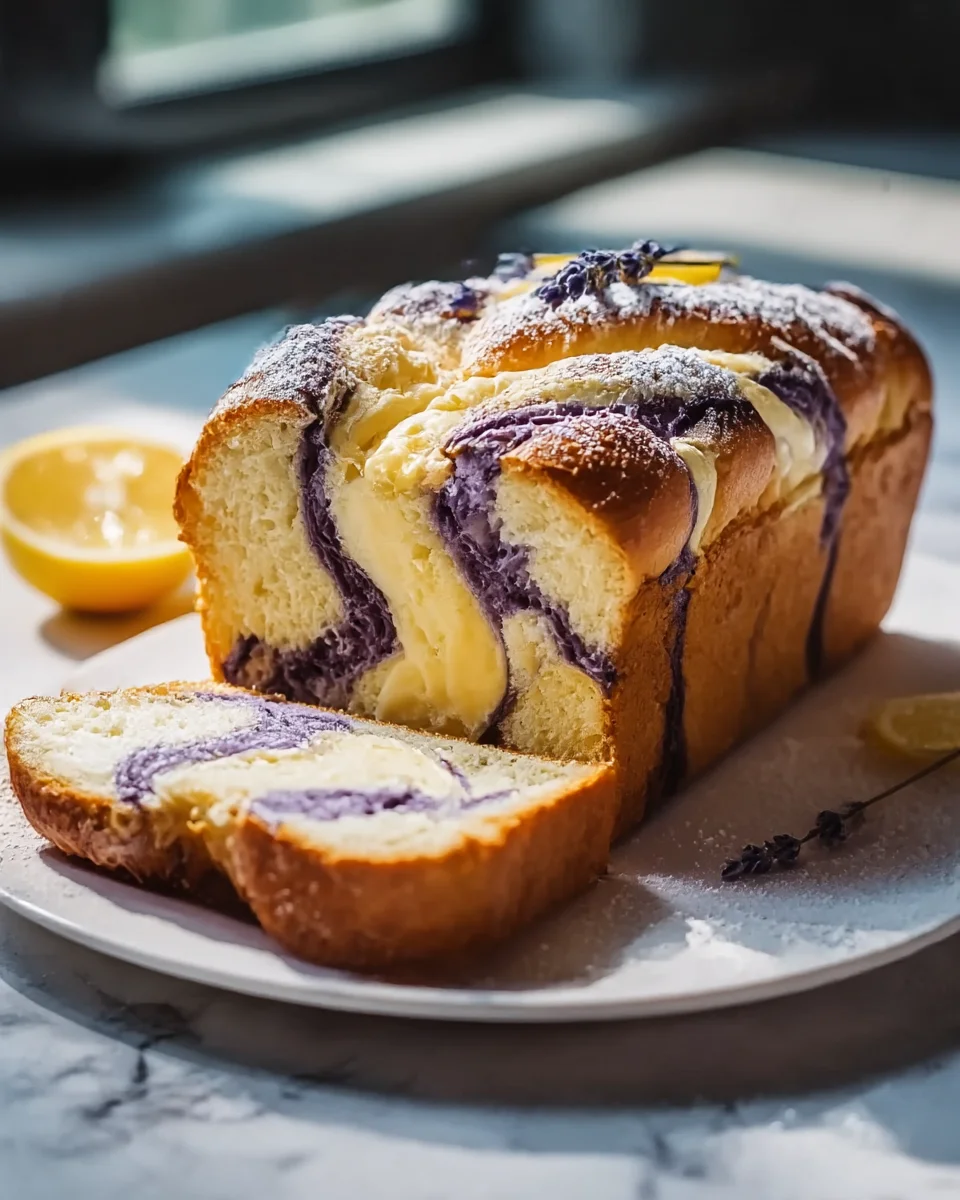
Welcome to my kitchen! Today, I’m thrilled to share a recipe for something truly special: my Lemon Lavender Milk Bread. This isn’t just any bread; it’s a wonderfully soft, aromatic, and pillowy loaf that marries the bright zestiness of lemon with the delicate floral notes of culinary lavender. It’s an absolute dream for breakfast, a lovely afternoon tea accompaniment, or just a sweet treat anytime you crave something comforting yet elegant. The milk bread technique ensures an incredibly tender crumb, making each bite a delightful experience. Let’s get baking!
Ingredient Notes
Crafting the perfect Lemon Lavender Milk Bread starts with understanding the role of each ingredient. Here’s what you’ll need and why:
- Bread Flour: This is my go-to for milk bread. Its higher protein content develops more gluten, which is essential for that signature chewy yet incredibly soft texture. If you don’t have bread flour, you can use all-purpose flour, but your bread might be slightly less chewy and tender.
- Milk: Whole milk is what I recommend for its richness, contributing to the bread’s flavor and tenderness. For a dairy-free option, unsweetened almond milk or oat milk can work well, though they might slightly alter the texture and flavor.
- Granulated Sugar: Beyond adding sweetness, sugar feeds the yeast and helps tenderize the crumb. For the delicate floral notes, I often infuse some of the sugar with dried culinary lavender beforehand. You could also use an alternative like coconut sugar for a slightly different flavor profile, but it will change the color of your bread.
- Active Dry Yeast: This is our leavening agent. Ensure your yeast is fresh and active for a good rise. Instant yeast can also be used; you might find it works a little faster, and you can usually mix it directly with the dry ingredients without proofing.
- Eggs: Eggs add richness, color, and structure to the bread. I use large eggs. If you need an egg substitute, a ‘flax egg’ (1 tbsp ground flaxseed + 3 tbsp water, let sit for 5 minutes) per egg can be used in a pinch, but the bread’s texture will be denser and less rich.
- Unsalted Butter: Butter contributes a wonderful richness and tenderness. I prefer unsalted so I can control the overall salt content. If using salted butter, reduce the added salt in the recipe slightly. For a dairy-free alternative, a good quality plant-based butter substitute works well.
- Salt: A pinch of salt is crucial for balancing the flavors and strengthening the gluten structure. Don’t skip it!
- Culinary Lavender: This is a star ingredient! Make sure you use culinary-grade lavender, which is specifically grown and processed for consumption. Decorative lavender often has a stronger, more bitter taste and can be treated with chemicals. I usually infuse the warm milk or warm water for the tangzhong with the lavender to extract its delicate aroma and flavor. A little goes a long way, so don’t overdo it.
- Lemons: We’ll be using both the zest and a touch of juice. The zest is where most of the lemon oil and flavor reside, providing a bright, aromatic counterpoint to the lavender. Always zest your lemon before juicing it! Look for organic lemons if possible.
- For the Tangzhong: This crucial milk bread technique uses a paste of bread flour and water (or milk). It’s the secret to the bread’s incredible softness and ability to stay fresh longer.
Step-by-Step Instructions
Follow these steps carefully to achieve that irresistibly soft and fragrant Lemon Lavender Milk Bread:
- Prepare the Lavender-Infused Milk (or Water for Tangzhong): Gently warm the milk (or the water intended for your tangzhong) in a small saucepan. Once warm, stir in the culinary lavender and let it steep for about 15-20 minutes. Strain the lavender out before using the infused liquid. This ensures a delicate flavor without a gritty texture.
- Make the Tangzhong: In a small saucepan, whisk together the bread flour and the infused liquid until smooth. Cook over medium-low heat, stirring constantly, until the mixture thickens to a paste-like consistency, resembling a thick pudding (around 149°F or 65°C). Remove from heat, transfer to a small bowl, cover with plastic wrap pressed directly onto the surface to prevent a skin from forming, and let it cool to room temperature. This step is critical for the bread’s signature texture.
- Activate the Yeast: In a large bowl or the bowl of a stand mixer, combine the remaining warm milk (ensure it’s not too hot, around 105-115°F or 40-46°C), a tablespoon of granulated sugar, and the active dry yeast. Stir gently and let it sit for 5-10 minutes until foamy, indicating the yeast is active.
- Combine Wet Ingredients: To the activated yeast mixture, add the cooled tangzhong, the whisked egg, and the lemon zest. Mix well until everything is incorporated.
- Combine Dry Ingredients: In a separate bowl, whisk together the remaining bread flour, the remaining granulated sugar (some of which can be lavender-infused sugar), and the salt.
- Form the Dough: Gradually add the dry ingredients to the wet ingredients. Mix on low speed with the dough hook attachment of your stand mixer (or by hand in a large bowl) until a shaggy dough forms.
- Knead the Dough: Increase the mixer speed to medium-low and knead for about 8-10 minutes. The dough will be quite sticky initially. Once it starts to come together, begin adding the softened unsalted butter, one tablespoon at a time, allowing each addition to be fully incorporated before adding the next. This process typically takes another 10-15 minutes of kneading. Continue kneading until the dough is smooth, elastic, and passes the “windowpane test” (you can stretch a small piece thinly enough to see light through it without tearing).
- First Rise (Bulk Fermentation): Lightly grease a large bowl. Transfer the kneaded dough to the bowl, turning once to coat. Cover the bowl with plastic wrap or a damp kitchen towel and let it rise in a warm place for 1 to 1.5 hours, or until doubled in size.
- Shape the Loaves: Gently punch down the risen dough to release the air. Turn it out onto a lightly floured surface. Divide the dough into three equal portions. Roll each portion into an oblong shape, then fold one-third of the dough over the middle, and the other third over that (like a letter). Flatten slightly, then roll it up tightly into a log. Place the logs seam-side down in a greased standard loaf pan.
- Second Rise (Proofing): Cover the loaf pan with plastic wrap or a damp towel and let it rise again in a warm place for 45-60 minutes, or until the dough has risen about 1 inch above the rim of the pan.
- Preheat Oven & Bake: While the dough is proofing, preheat your oven to 350°F (175°C). Once the dough has proofed, brush the top lightly with an egg wash (one egg beaten with a tablespoon of milk) for a golden crust. Bake for 30-35 minutes, or until the top is golden brown and the internal temperature reaches 190-200°F (88-93°C).
- Cool and Serve: Remove the bread from the oven and immediately transfer it to a wire rack to cool completely before slicing. This prevents the bottom from getting soggy.
Tips & Suggestions
To ensure your Lemon Lavender Milk Bread turns out perfectly every time, here are a few of my top tips:
- Don’t Rush the Tangzhong: The tangzhong is the secret weapon for milk bread’s incredible softness. Ensure it’s cooked to the correct consistency and cooled completely before adding it to your dough. If it’s too warm, it could kill your yeast.
- Kneading is Key: Milk bread requires significant kneading to develop the gluten. A stand mixer is highly recommended, but if kneading by hand, be prepared for a good arm workout! Don’t stop until your dough is smooth, elastic, and passes the windowpane test. This ensures that airy, tender crumb.
- Mind the Temperature: Both the milk for activating yeast and the rising environment are important. Yeast likes warmth (around 105-115°F), but not heat. A slightly warm oven (turned off!) or a sunny spot can be ideal for rising.
- Culinary Lavender is a Must: As mentioned, always use culinary-grade lavender. It has a much milder, sweeter flavor. If you find the flavor too strong for your preference, you can reduce the amount slightly, but it truly defines this bread.
- Zest Smart: When zesting your lemons, make sure to only get the bright yellow part, avoiding the bitter white pith underneath. A microplane is excellent for this.
- Experiment with Infusion: I like to infuse the milk for the tangzhong with lavender, but you could also infuse some of your granulated sugar by storing it with dried lavender buds for a week or two before baking.
- Consider a Glaze: For an extra burst of lemon flavor and a beautiful finish, consider making a simple lemon glaze. Whisk together powdered sugar with a little fresh lemon juice until you reach your desired consistency. Drizzle it over the cooled bread.
- Serving Suggestions: This bread is fantastic on its own, perhaps with a cup of tea or coffee. It also makes incredible French toast, or you can spread it with a light fruit jam or cream cheese.
Storage
My Lemon Lavender Milk Bread is at its absolute best on the day it’s baked, when it’s incredibly soft and fragrant. However, you can certainly store it to enjoy for a few days:
- Room Temperature: Once completely cooled, store the bread in an airtight container or a large resealable bag at room temperature for up to 2-3 days. The tangzhong method helps it retain its softness longer than regular bread, but it will gradually firm up.
- Freezing: For longer storage, this bread freezes beautifully. Once completely cooled, slice the bread and place the slices in a single layer on a baking sheet to freeze for about an hour, or until firm. Then, transfer the frozen slices to a freezer-safe bag or airtight container, removing as much air as possible. It can be stored in the freezer for up to 1 month.
- Thawing and Reheating: To thaw, simply take out the desired number of slices and let them come to room temperature on the counter for about 20-30 minutes. You can also gently warm individual slices in a toaster or microwave for a few seconds to regain some of their original softness. For a whole loaf, thaw overnight at room temperature and then warm in a preheated oven at 300°F (150°C) for 10-15 minutes.
- Avoid Refrigeration: I generally advise against refrigerating homemade bread. The cold temperature tends to dry it out and accelerate staling, making it firm and less enjoyable.
Final Thoughts
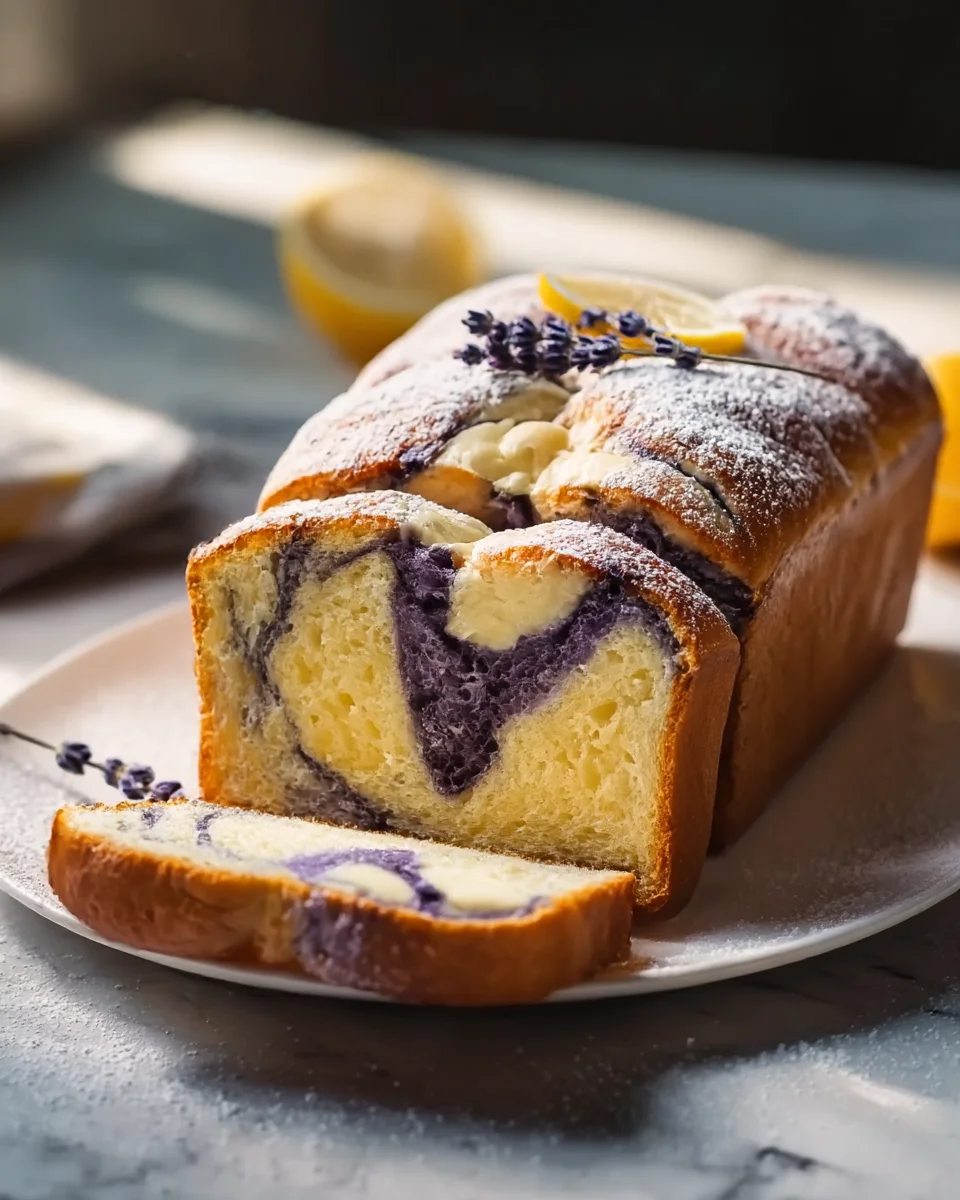
And there you have it! What started as a simple idea blossoms into something truly extraordinary in your kitchen. This Lemon Lavender Milk Bread isn’t just another loaf; it’s an experience. Imagine the soft, cloud-like texture of classic milk bread, now infused with the bright, zesty notes of fresh lemon and the subtle, calming fragrance of lavender. It’s a combination that might sound unique, but trust me, it’s a match made in culinary heaven.
I absolutely adore how this bread transforms a simple snack into a moment of pure bliss. Whether you’re enjoying a slice with your morning coffee, serving it at a special brunch, or simply indulging in its comforting aroma, the Lemon Lavender Milk Bread offers a delightful escape. It’s a testament to how simple ingredients, thoughtfully combined, can create something truly unforgettable. So, go ahead, give this recipe a try – I promise, your taste buds will thank you for this wonderfully fragrant and utterly delicious journey!

Fluffy Lemon Lavender Milk Bread: Bake This Delight Today
- Total Time: 1 hour 5 minutes
- Yield: 1 loaf
Description
Experience the magical combination of bright lemon zest and calming lavender in this incredibly soft and aromatic milk bread. Perfect for breakfast or a sweet afternoon treat, this loaf is sure to impress your taste buds.
Ingredients
- Bread Flour
- Whole Milk (or unsweetened almond milk or oat milk for dairy-free option)
- Granulated Sugar
- Active Dry Yeast
- Large Eggs
- Unsalted Butter
- Salt
- Culinary Lavender
- Lemons (for zest and juice)
- Water (for Tangzhong)
Instructions
- Prepare the Lavender-Infused Milk (or Water for Tangzhong): Gently warm the milk (or the water intended for your tangzhong) in a small saucepan. Once warm, stir in the culinary lavender and let it steep for about 15-20 minutes. Strain the lavender out before using the infused liquid.
- Make the Tangzhong: In a small saucepan, whisk together the bread flour and the infused liquid until smooth. Cook over medium-low heat, stirring constantly, until the mixture thickens to a paste-like consistency, resembling a thick pudding (around 149°F or 65°C). Remove from heat, transfer to a small bowl, cover with plastic wrap pressed directly onto the surface to prevent a skin from forming, and let it cool to room temperature.
- Activate the Yeast: In a large bowl or the bowl of a stand mixer, combine the remaining warm milk (around 105-115°F or 40-46°C), a tablespoon of granulated sugar, and the active dry yeast. Stir gently and let it sit for 5-10 minutes until foamy.
- Combine Wet Ingredients: To the activated yeast mixture, add the cooled tangzhong, the whisked egg, and the lemon zest. Mix well until everything is incorporated.
- Combine Dry Ingredients: In a separate bowl, whisk together the remaining bread flour, the remaining granulated sugar (some of which can be lavender-infused sugar), and the salt.
- Form the Dough: Gradually add the dry ingredients to the wet ingredients. Mix on low speed with the dough hook attachment of your stand mixer (or by hand in a large bowl) until a shaggy dough forms.
- Knead the Dough: Increase the mixer speed to medium-low and knead for about 8-10 minutes. Once it starts to come together, begin adding the softened unsalted butter, one tablespoon at a time. Continue kneading until the dough is smooth, elastic, and passes the 'windowpane test'.
- First Rise (Bulk Fermentation): Lightly grease a large bowl. Transfer the kneaded dough to the bowl, cover, and let it rise in a warm place for 1 to 1.5 hours, or until doubled in size.
- Shape the Loaves: Gently punch down the risen dough. Divide the dough into three equal portions. Roll each portion into an oblong shape, fold, flatten slightly, then roll it up tightly into a log. Place the logs seam-side down in a greased standard loaf pan.
- Second Rise (Proofing): Cover the loaf pan and let it rise again in a warm place for 45-60 minutes, or until the dough has risen about 1 inch above the rim of the pan.
- Preheat Oven & Bake: Preheat your oven to 350°F (175°C). Once the dough has proofed, brush the top lightly with an egg wash. Bake for 30-35 minutes, or until the top is golden brown and the internal temperature reaches 190-200°F (88-93°C).
- Cool and Serve: Remove the bread from the oven and transfer it to a wire rack to cool completely before slicing.
- Prep Time: 30 mins
- Cook Time: 35 mins
- Category: Baking
- Method: Baking
- Cuisine: Japanese
Nutrition
- Serving Size: 1 slice
- Calories: 180
- Sugar: 6 g
- Sodium: 150 mg
- Fat: 5 g
- Saturated Fat: 3 g
- Unsaturated Fat: 2 g
- Trans Fat: 0 g
- Carbohydrates: 30 g
- Fiber: 1 g
- Protein: 4 g
- Cholesterol: 40 mg
Keywords: Ensure the tangzhong is cooked to the correct consistency and cooled completely before adding it to your dough. Use culinary-grade lavender for the best flavor. Consider making a lemon glaze for an extra burst of flavor.



Leave a Comment