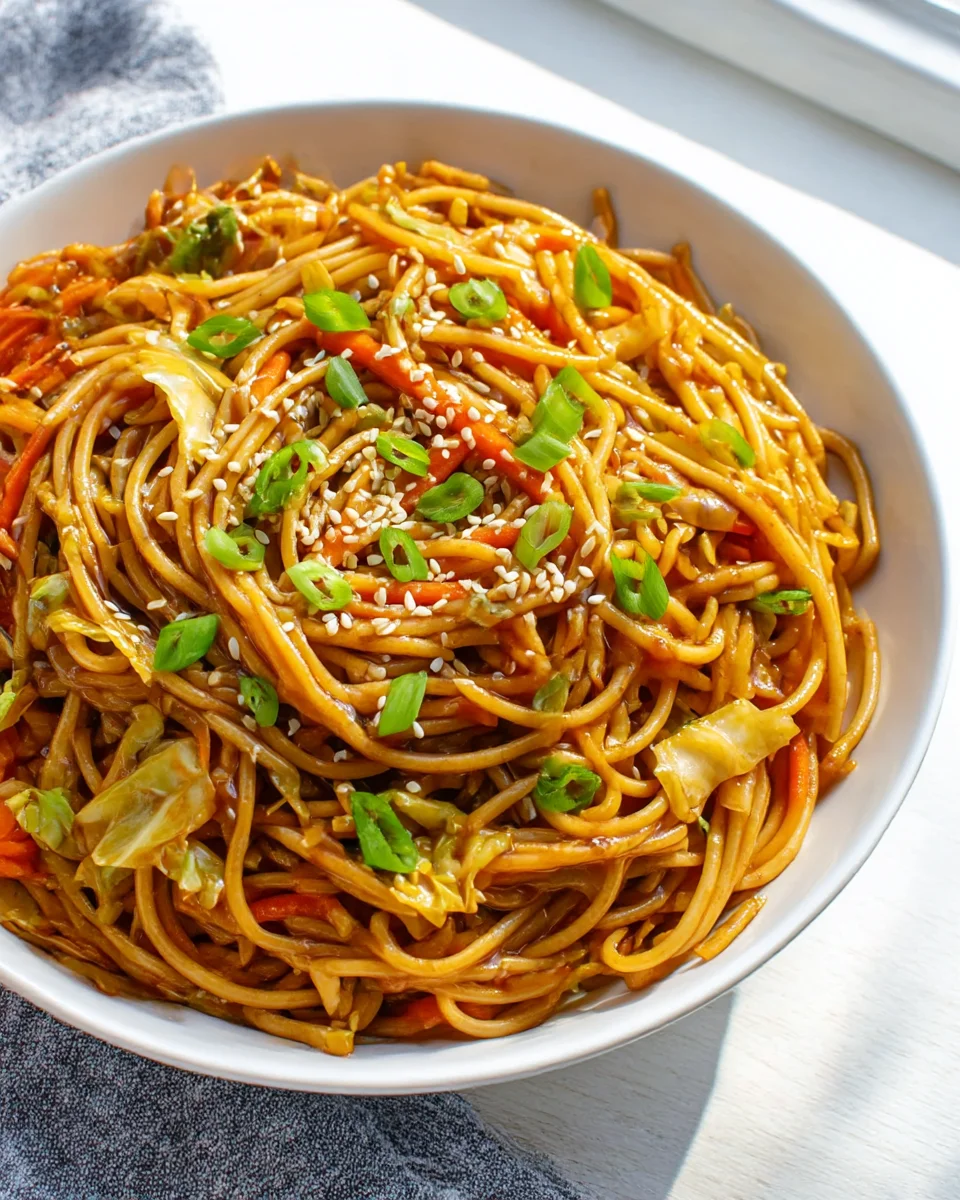
One of my favorite childhood memories revolves around a cozy Friday night ritual. My family would gather around the table, the air filled with the mouthwatering aroma of teriyaki noodles sizzling away on the stove. My mom would whip up her special recipe, the vibrant colors of the vegetables contrasting beautifully with the glossy, dark noodles. I can still remember the sound of the soy sauce splashing into the pan, releasing a rich, savory scent that wrapped around us like a warm hug.
The first bite was always a burst of flavor: the sweet tang of teriyaki mingling with tender noodles, crisp vegetables, and a hint of sesame oil. Each mouthful danced on my tongue, a perfect balance of sweet and salty that felt both comforting and exciting. It was more than just a meal; it was a celebration of family, laughter, and connection.
What makes my version of teriyaki noodles special is the addition of fresh ginger and a splash of lime juice that brightens the entire dish. I also love to add in some juicy beef strips, which soak up all that delicious sauce and create a hearty meal. This recipe is not just a nostalgic nod to my childhood; it’s a way to bring those warm, happy feelings into my kitchen today.
Now, let me show you exactly how to make it. Grab your apron, and let’s get cooking!
Why You’ll Love This Recipe
- Ready in under 30 minutes with only one pan to wash, making clean-up a breeze!
- Perfectly balanced flavors from the sweet and savory homemade teriyaki sauce that coats each noodle.
- Loaded with crunchy vegetables like cabbage and carrots that add texture and nutrition.
- Budget-friendly, using simple pantry staples and fresh produce, making it an economical choice for any meal.
- Customizable to suit your taste preferences; you can easily add protein or swap in seasonal veggies!
Ingredients
- ½ green cabbage, shredded
- 2 carrots, shredded
- 1 teaspoon olive oil
- ⅔ cup soy sauce
- ½ cup brown sugar
- ½ teaspoon ground mustard
- 1 teaspoon ground ginger
- ½ teaspoon garlic powder
- 16oz spaghetti (1 pound box)
- 3 ½ cups water
- 1 tablespoon sesame seeds
When making Teriyaki Noodles, the key ingredients create a harmonious blend of flavor and texture. Soy sauce is the backbone of the dish, providing the essential umami and saltiness. Opt for low-sodium soy sauce if you want to control the sodium content. For a gluten-free alternative, tamari works beautifully as a substitute. Brown sugar adds sweetness and depth to the sauce, helping to balance the savory notes of the soy sauce. If you’re in a pinch, you can use honey or maple syrup for a different sweetness profile. Ground ginger and garlic powder contribute aromatic warmth, making the dish fragrant and inviting. Fresh ginger and garlic can be used instead but will require adjustments in quantity; about one-inch pieces of ginger and two cloves of garlic should suffice.
Step-by-Step Instructions
- Heat a large pot over medium-high heat. Once hot, add 1 teaspoon of olive oil. You’ll know it’s ready when the oil shimmers. This step is crucial to prevent the vegetables from sticking.
- Add the shredded cabbage and carrots to the pot. Sauté for about 5 minutes, stirring occasionally. The veggies should soften and turn vibrant in color without browning. Avoid overcooking to retain some crunch.
- Next, pour in ⅔ cup of soy sauce, ½ cup of brown sugar, ½ teaspoon of ground mustard, 1 teaspoon of ground ginger, and ½ teaspoon of garlic powder. Stir well to combine, ensuring the sugar dissolves completely.
- Add 16oz of spaghetti directly to the pot. You can break the spaghetti in half for easier stirring, but it’s not necessary. Then, pour in 3 ½ cups of water, ensuring the noodles are fully submerged.
- Bring the mixture to a gentle boil. Once boiling, reduce the heat to medium and cook uncovered for 15-18 minutes. Stir the pot every few minutes to prevent the noodles from sticking to the bottom. You’ll know it’s done when the noodles are tender and easily bendable.
- Once cooked through, remove the pot from the heat. Toss in 1 tablespoon of sesame seeds, mixing thoroughly to distribute them evenly. This adds a delightful crunch!
- Serve immediately, garnished with extra sesame seeds and sliced green onions if desired. Enjoy the beautiful presentation of your Teriyaki Noodles!
Pro Tips for the Best Teriyaki Noodles Recipe
- Don’t skip the sautéing step for the vegetables; it enhances their natural sweetness and adds depth to the dish.
- Use a large enough pot to allow the noodles to move freely while cooking; this prevents them from clumping together.
- If you want a thicker sauce, consider adding a cornstarch slurry (1 tablespoon cornstarch mixed with 2 tablespoons water) during the last few minutes of cooking.
- A common mistake is not stirring enough during cooking, which can lead to burnt noodles at the bottom. Keep an eye on it!
- For added flavor complexity, try incorporating a splash of rice vinegar or a dash of sriracha to the sauce mix.
Variations & Serving Ideas
- For a protein boost, add cubed tofu or cooked chicken, shrimp, or beef to the mix during sautéing.
- Swap in seasonal vegetables like bell peppers, snap peas, or broccoli for a colorful twist.
- For a spicy kick, mix in some red pepper flakes or sriracha to the sauce.
- Try using whole wheat or gluten-free noodles to cater to dietary needs.
Pair your Teriyaki Noodles with crispy spring rolls for a delightful appetizer, or serve it alongside a fresh cucumber salad to balance the flavors. Grilled teriyaki chicken or salmon also makes a fantastic main dish companion, enhancing the overall Asian-inspired theme of the meal!
Storage, Make-Ahead & Reheating
Store any leftovers in an airtight container in the fridge for up to 3 days. This dish can be frozen, although the texture of the noodles may change slightly. To freeze, portion out the noodles and sauce in freezer-safe containers. When ready to eat, thaw overnight in the fridge and reheat in a skillet over medium heat until warmed through. Interestingly, the flavors of Teriyaki Noodles improve after a day in the fridge, allowing the ingredients to meld beautifully!
Frequently Asked Questions
Can I make Teriyaki Noodles Recipe ahead of time?
Yes — in fact, it tastes even better the next day as the flavors deepen. Prepare the dish and store it in the fridge, then simply reheat when you’re ready to enjoy!
What types of noodles can I use for Teriyaki Noodles?
You can use any long noodle, such as udon, rice noodles, or even whole wheat spaghetti. Just adjust the cooking time based on the noodle type to ensure perfect tenderness.
Can I add protein to my Teriyaki Noodles?
Absolutely! Tofu, chicken, or shrimp work wonderfully. Just cook the protein first before adding the vegetables, ensuring everything is well incorporated.
Is this recipe gluten-free?
To make this recipe gluten-free, substitute regular soy sauce with tamari, and use gluten-free noodles. This way, you can still enjoy the delicious flavors without the gluten!
How can I make Teriyaki Noodles spicier?
For a spicy kick, add red pepper flakes or a drizzle of sriracha to the sauce. You can also include sliced fresh chili peppers during the vegetable sauté for an extra layer of heat!
Final Thoughts
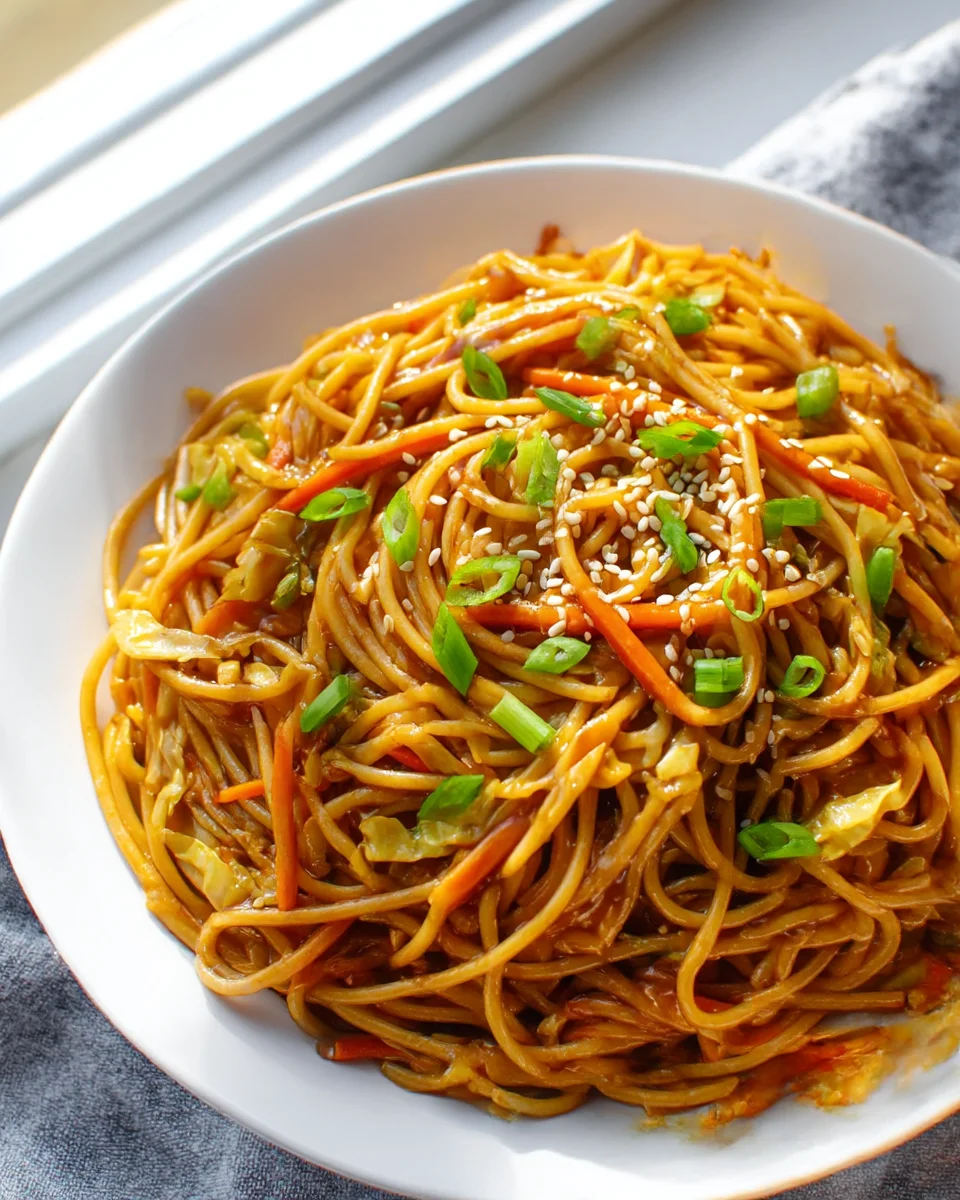
This Teriyaki Noodles Recipe is truly a delight, balancing the savory sweetness of the homemade teriyaki sauce with the satisfying chew of perfectly cooked noodles. It’s a dish that brings together fresh vegetables and tender beef, making it a comforting yet vibrant meal that never fails to please.
This is the kind of recipe I come back to again and again, especially when I need a quick, nourishing dinner that feels both indulgent and wholesome. The beauty of this dish lies in its versatility—feel free to customize it with your favorite vegetables or protein alternatives!
I encourage you to give this recipe a try! Embrace the joy of cooking and share your results or any unique twists you put on it. Happy cooking!

Savory Beef Teriyaki Noodles
- Total Time: 30 minutes
- Yield: 4 servings 1x
Description
This dish combines tender beef strips with vibrant vegetables and a homemade teriyaki sauce for a delightful meal. It’s quick to prepare and perfect for a family dinner.
Ingredients
- ½ green cabbage, shredded
- 2 carrots, shredded
- 1 teaspoon olive oil
- ⅔ cup soy sauce
- ½ cup brown sugar
- ½ teaspoon ground mustard
- 1 teaspoon ground ginger
- ½ teaspoon garlic powder
- 16oz spaghetti (1 pound box)
- 3 ½ cups water
- 1 tablespoon sesame seeds
Instructions
- Heat a large pot over medium-high heat. Once hot, add 1 teaspoon of olive oil. You’ll know it’s ready when the oil shimmers. This step is crucial to prevent the vegetables from sticking.
- Add the shredded cabbage and carrots to the pot. Sauté for about 5 minutes, stirring occasionally. The veggies should soften and turn vibrant in color without browning. Avoid overcooking to retain some crunch.
- Next, pour in ⅔ cup of soy sauce, ½ cup of brown sugar, ½ teaspoon of ground mustard, 1 teaspoon of ground ginger, and ½ teaspoon of garlic powder. Stir well to combine, ensuring the sugar dissolves completely.
- Add 16oz of spaghetti directly to the pot. You can break the spaghetti in half for easier stirring, but it’s not necessary. Then, pour in 3 ½ cups of water, ensuring the noodles are fully submerged.
- Bring the mixture to a gentle boil. Once boiling, reduce the heat to medium and cook uncovered for 15-18 minutes. Stir the pot every few minutes to prevent the noodles from sticking to the bottom. You’ll know it’s done when the noodles are tender and easily bendable.
- Once cooked through, remove the pot from the heat. Toss in 1 tablespoon of sesame seeds, mixing thoroughly to distribute them evenly. This adds a delightful crunch!
- Serve immediately, garnished with extra sesame seeds and sliced green onions if desired. Enjoy the beautiful presentation of your Teriyaki Noodles!
- Prep Time: 10 mins
- Cook Time: 20 mins
- Category: Main Course
- Method: Stovetop
- Cuisine: Asian
Nutrition
- Serving Size: 1 serving
- Calories: 450
- Sugar: 12 g
- Sodium: 900 mg
- Fat: 8 g
- Saturated Fat: 1 g
- Unsaturated Fat: 6 g
- Trans Fat: 0 g
- Carbohydrates: 80 g
- Fiber: 4 g
- Protein: 14 g
- Cholesterol: 30 mg
Keywords: Don’t skip the sautéing step for the vegetables; it enhances their natural sweetness and adds depth to the dish. Use a large enough pot to allow the noodles to move freely while cooking; this prevents them from clumping together.

Leave a Comment