
Buttermilk Beignet Square
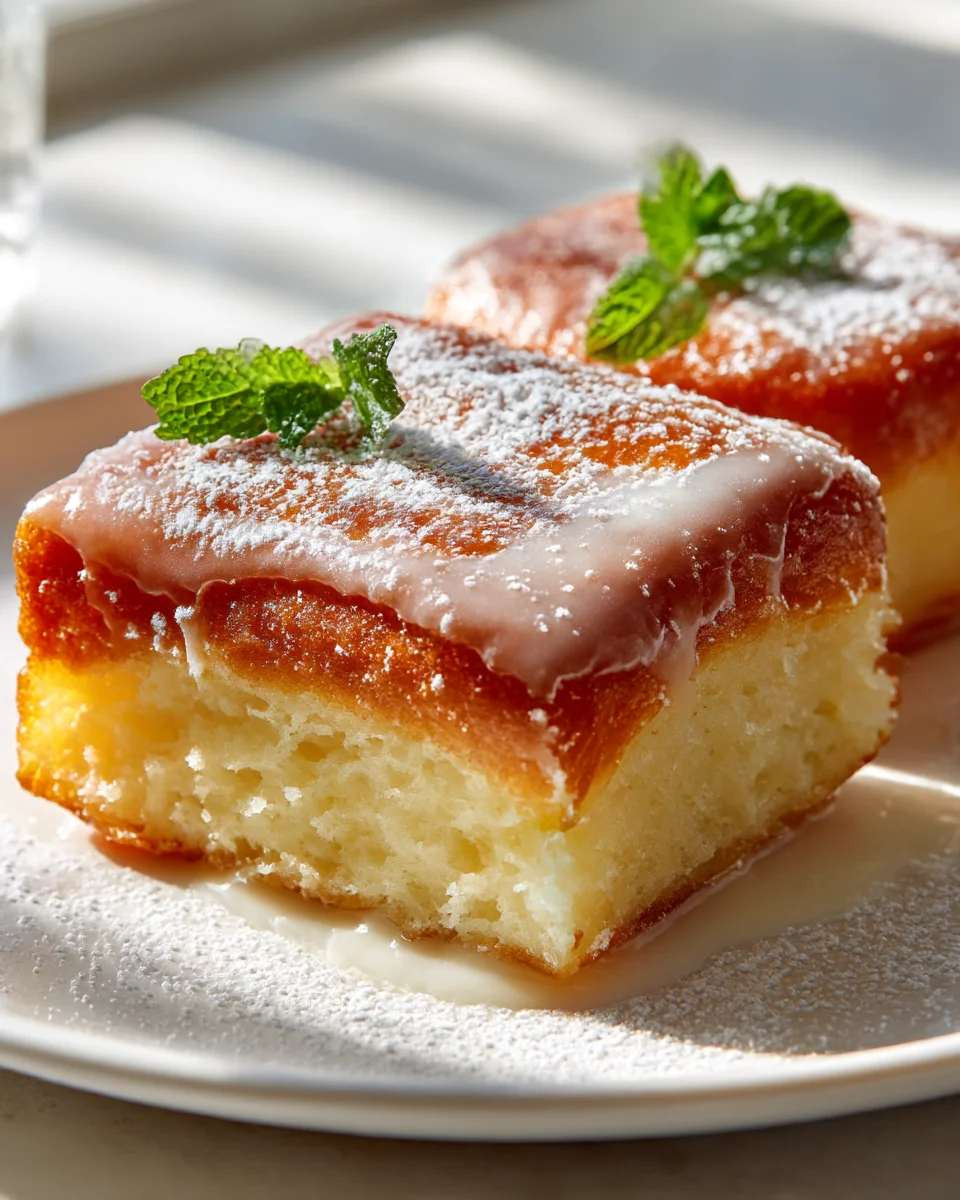
Oh my goodness, get ready to fall head over heels for something truly special: our Buttermilk Beignet Square recipe! I’m so excited to share this with you because it’s more than just a recipe; it’s an experience, a little slice of New Orleans magic right in your own kitchen. What makes these particular beignets so utterly divine? It’s all in the buttermilk! That secret ingredient lends an incredible tenderness and a delicate tang to the dough, creating a perfect counterpoint to their inherent sweetness. Forget perfectly round donuts; these charmingly rustic squares are delightfully crisp on the outside, impossibly fluffy and airy on the inside, and just beg to be smothered in a generous snowfall of powdered sugar.
You are going to absolutely adore making and, more importantly, eating these. Imagine warm, golden puffs, fresh from the fryer, filling your home with the most intoxicating aroma. They’re ideal for a leisurely brunch, a special breakfast treat, or even a fun dessert that will have everyone reaching for more. This recipe takes the classic, beloved beignet and makes it wonderfully approachable for the home baker, ensuring you get that authentic taste and texture without needing a trip to Louisiana. So grab your apron, because we’re about to create some unforgettable moments (and delicious, cloud-like pastries) together!
Ingredient Notes
There’s a certain magic to Buttermilk Beignet Squares, and it all starts with the right ingredients. Each one plays a crucial role in achieving that characteristic pillowy texture and delicate tang we all love. Let’s dive into what you’ll need and why!
- Buttermilk: This is the star of our show, lending its unique acidity to tenderize the gluten in the flour, resulting in an incredibly soft and airy dough. It also imparts a subtle, pleasant tang that balances the sweetness. I always recommend using full-fat buttermilk for the richest flavor and texture. If you’re caught without it, you can make a quick substitute: combine 1 cup of regular milk (dairy or non-dairy) with 1 tablespoon of lemon juice or white vinegar. Let it sit for 5-10 minutes until it slightly curdles. While it works, it won’t quite match the depth of real buttermilk, so I encourage the real deal!
- All-Purpose Flour: Standard all-purpose flour is perfect for Buttermilk Beignet Squares. It provides the right amount of gluten structure to create those delightful puffy squares. For an even lighter, more delicate crumb, you could experiment with a lower protein pastry flour, but it’s not strictly necessary.
- Granulated Sugar: A touch of sugar in the dough isn’t just for sweetness; it also feeds the yeast, helping it activate and giving the beignets a lovely golden color when fried.
- Active Dry Yeast: This is what gives our beignets their wonderful rise and airy texture. Make sure your yeast is fresh and active! You’ll typically proof it in warm water (or milk) to ensure it’s alive and ready to work its magic. Instant yeast can also be used; it usually doesn’t require proofing and can be mixed directly with the dry ingredients. Just follow the package directions for conversion if you’re swapping.
- Eggs: Eggs add richness, flavor, and a beautiful golden hue to the dough. They also act as a binding agent, contributing to the overall structure and tenderness of the beignets.
- Unsalted Butter: Melted butter enriches the dough, making it even more tender and flavorful. If you only have salted butter, you can use it, but reduce the amount of added salt slightly.
- Salt: A pinch of salt is essential! It balances the sweetness, enhances the overall flavor of the beignets, and also helps regulate yeast activity. Don’t skip it!
- Neutral Oil for Frying: You’ll need a good amount of oil for deep-frying. Choose a neutral-flavored oil with a high smoke point, such as vegetable oil, canola oil, or peanut oil. These oils won’t impart unwanted flavors to your beignets and can withstand the necessary high temperatures.
- Powdered Sugar (Confectioners’ Sugar): The classic finishing touch! A generous dusting of powdered sugar is absolutely non-negotiable for authentic Buttermilk Beignet Squares. It adds sweetness and a beautiful presentation.
Step-by-Step Instructions
Making Buttermilk Beignet Squares is a labor of love, but the process is incredibly rewarding. Here’s how I get those perfect puffy clouds of goodness:
- Activate the Yeast: In a large bowl or the bowl of a stand mixer, combine the warm water (around 105-115°F / 40-46°C) with a pinch of granulated sugar and the active dry yeast. Give it a gentle stir and let it sit for 5-10 minutes until it becomes foamy. This indicates your yeast is active and ready to go! If using instant yeast, you can often skip this proofing step and add it directly to the dry ingredients, but I still like to give it a head start with some warm liquid.
- Combine Wet Ingredients: To the activated yeast mixture, add the buttermilk, melted butter, eggs, remaining granulated sugar, and salt. Whisk everything together until well combined.
- Add Dry Ingredients and Mix: Gradually add the all-purpose flour to the wet ingredients, mixing with a wooden spoon or the dough hook attachment of your stand mixer on low speed. Mix until a shaggy dough forms, then increase the speed to medium-low and continue mixing for about 5-7 minutes. The dough should be soft, slightly sticky, and pull away from the sides of the bowl. If it’s too sticky, add a tiny bit more flour, a tablespoon at a time. Resist the urge to add too much flour; a soft dough makes for tender beignets!
- First Rise: Transfer the dough to a lightly oiled large bowl, turning it once to coat the entire surface. Cover the bowl tightly with plastic wrap or a clean kitchen towel. Let the dough rise in a warm, draft-free place for about 1 to 1.5 hours, or until it has doubled in size.
- Roll and Cut: Once the dough has risen, gently punch it down to release the air. Lightly flour your work surface and rolling pin. Roll out the dough to an even thickness of about 1/4 to 1/2 inch (0.6-1.2 cm). I find that 3/8 inch (1 cm) is a sweet spot for puffy beignet squares. Using a sharp knife or a pizza cutter, trim the edges to form a neat rectangle, then cut the dough into 2-3 inch (5-7.5 cm) squares.
- Second Rise (Proofing): Carefully transfer the cut beignet squares to a baking sheet lined with parchment paper, making sure to leave some space between each one. Cover them lightly with a clean kitchen towel and let them rise again for another 20-30 minutes. This second proofing is crucial for achieving that characteristic light and airy texture.
- Heat the Oil: While the beignets are proofing, pour about 2-3 inches (5-7.5 cm) of neutral oil into a heavy-bottomed pot or Dutch oven. Heat the oil over medium-high heat until it reaches 350°F (175°C). Use a candy or deep-fry thermometer to monitor the temperature; it’s vital for perfectly cooked beignets!
- Fry the Beignets: Once the oil is at the correct temperature, carefully drop 3-4 beignet squares into the hot oil, ensuring you don’t overcrowd the pot. Overcrowding will lower the oil temperature and result in greasy, dense beignets. Fry for 1-2 minutes per side, or until they are puffed up, golden brown, and cooked through.
- Drain and Dust: Using a slotted spoon or spider, transfer the fried beignets to a wire rack set over a baking sheet lined with paper towels to drain any excess oil. While they are still warm, generously dust them with a heavy cloud of powdered sugar using a sieve or sifter.
- Serve Immediately: Buttermilk Beignet Squares are best enjoyed hot and fresh!
Tips & Suggestions
To ensure your Buttermilk Beignet Squares turn out perfect every single time, here are a few of my go-to tips and suggestions:
- Dough Consistency is Key: Don’t be afraid if your dough feels a bit sticky after kneading – that’s a good sign! A slightly sticky dough leads to much more tender and airy beignets. If you add too much flour, they can become dense and tough. Resist the urge to over-flour your work surface too; just enough to prevent sticking.
- Master the Oil Temperature: This is arguably the most critical factor for success. If the oil is too cold, the beignets will absorb too much oil and become greasy. If it’s too hot, they’ll brown too quickly on the outside, leaving the inside raw. Invest in a good deep-fry thermometer and keep the oil consistently between 340-360°F (170-180°C). Adjust the heat as needed between batches.
- Don’t Overcrowd the Pot: Frying in small batches is essential. Overcrowding lowers the oil temperature rapidly, leading to soggy results. Give each beignet room to puff up and cook evenly.
- Serve Them Fresh: Buttermilk Beignet Squares are absolutely at their peak when served warm, straight from the fryer, and generously dusted with powdered sugar. Their delicate texture and airy interior are best enjoyed immediately.
- Add a Flavor Twist: While classic powdered sugar is divine, you can experiment! Try sifting a pinch of cinnamon or nutmeg in with your powdered sugar for a warming spice note. Alternatively, serve them alongside a delicious dipping sauce like chocolate ganache, a berry compote, or even a simple lemon glaze.
- Making Ahead: You can prepare the dough for your beignets the day before. After the first rise, punch the dough down, cover it tightly, and refrigerate it overnight (up to 24 hours). The cold will slow down the yeast activity. On frying day, take the dough out, let it come to room temperature for about 30-60 minutes, then proceed with rolling, cutting, the second rise, and frying.
Storage
Buttermilk Beignet Squares are truly at their best when eaten warm and fresh, straight from the fryer. That light, airy texture and delicate crunch are fleeting, but sometimes you just can’t eat them all (or maybe you can, no judgment here!).
- Immediate Consumption is Best: Seriously, I cannot stress this enough. Plan to serve them as soon as they’re dusted with powdered sugar.
- Storing Leftovers: If you do have any leftovers, allow them to cool completely. Store them in an airtight container at room temperature for up to 1 day. The texture will soften, and they won’t be as light and crisp as when freshly made, but they’ll still be tasty. Don’t worry about the powdered sugar absorbing – you can always dust them again after reheating.
- Reheating: Reheating in the microwave can make them a bit chewy and dense, which isn’t ideal for a beignet. My preferred method for reheating is either a toaster oven or a conventional oven. Preheat your oven to about 300°F (150°C) and warm the beignets for 5-10 minutes, just until they are heated through and slightly crisp on the outside again. An air fryer also works wonderfully to restore some crispness – about 3-5 minutes at 300°F (150°C) should do the trick. Once reheated, give them another generous dusting of fresh powdered sugar before serving.
Final Thoughts
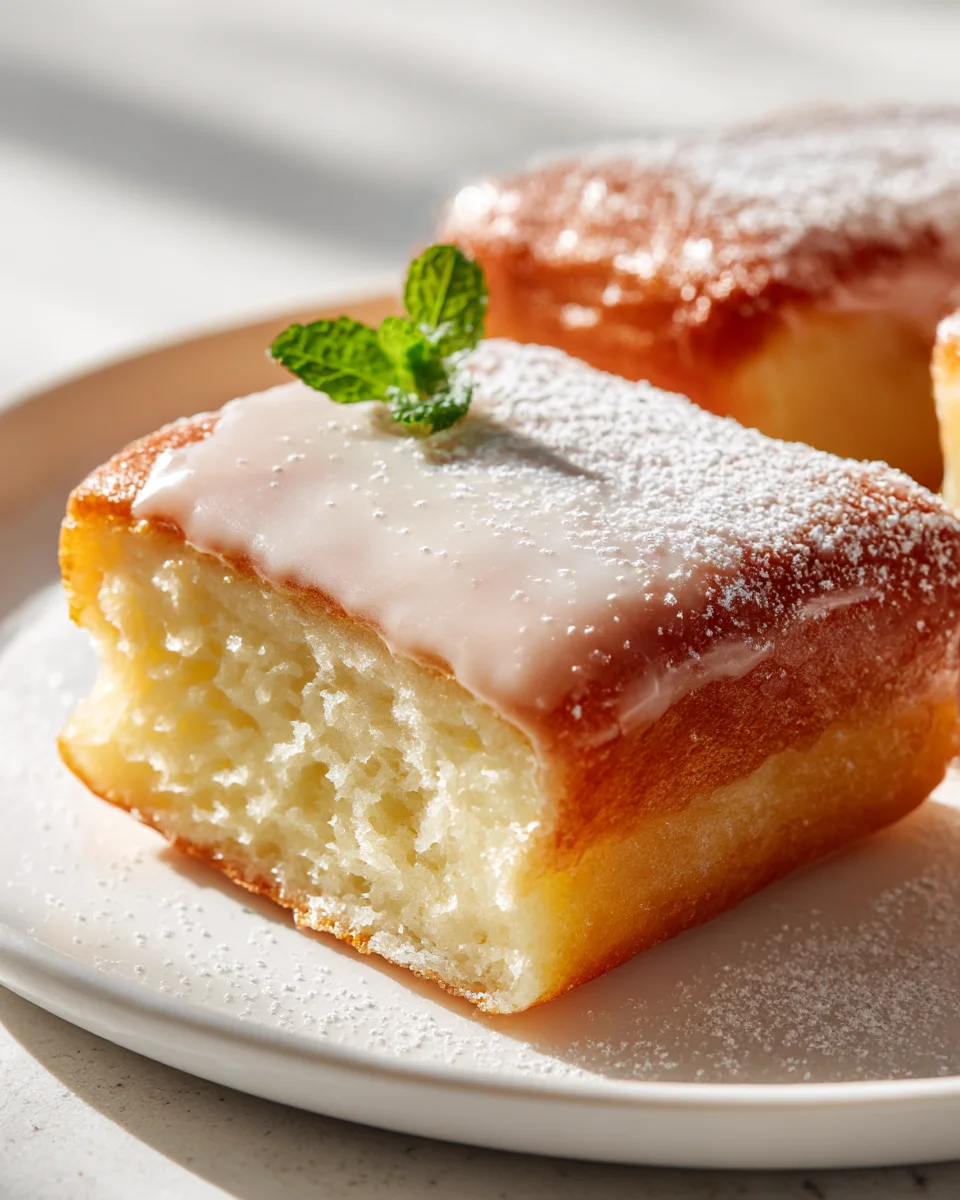
And there you have it! I truly hope you’re as excited as I am about creating these incredible Buttermilk Beignet Squares. There’s something truly magical about the way the tangy buttermilk lends such a tender crumb and light, airy texture to each golden-brown square. Unlike other fried treats, the unique shape and the subtle tang make these Buttermilk Beignet Squares uniquely delightful, offering a perfect balance that’s hard to resist.
Whether you’re planning a special brunch, a cozy breakfast, or simply craving a sweet escape, making a batch of these is an experience in itself. Dust them generously with powdered sugar and watch them disappear in moments. Trust me, once you taste the delicate chewiness and the airy lightness, you’ll understand why these specific Buttermilk Beignet Squares are destined to become a cherished favorite in your kitchen. Go ahead, dive in and create some joy – you won’t regret it!

Homemade Buttermilk Beignet Squares: Perfect Powdered Treat
- Total Time: 45 minutes
- Yield: 4 servings 1x
Description
Indulge in the delightful experience of making Buttermilk Beignet Squares, a charming twist on the classic treat. These airy, crispy squares are perfect for any occasion and are generously dusted with powdered sugar for an irresistible finish.
Ingredients
- 1 cup buttermilk
- 3 cups all-purpose flour
- 1/4 cup granulated sugar
- 2 1/4 teaspoons active dry yeast
- 1 large egg
- 1/4 cup unsalted butter, melted
- 1 teaspoon salt
- Neutral oil for frying
- Powdered sugar (confectioners' sugar) for dusting
Instructions
- In a large bowl or the bowl of a stand mixer, combine the warm water (around 105-115°F / 40-46°C) with a pinch of granulated sugar and the active dry yeast. Give it a gentle stir and let it sit for 5-10 minutes until it becomes foamy.
- To the activated yeast mixture, add the buttermilk, melted butter, eggs, remaining granulated sugar, and salt. Whisk everything together until well combined.
- Gradually add the all-purpose flour to the wet ingredients, mixing with a wooden spoon or the dough hook attachment of your stand mixer on low speed. Mix until a shaggy dough forms, then increase the speed to medium-low and continue mixing for about 5-7 minutes.
- Transfer the dough to a lightly oiled large bowl, turning it once to coat the entire surface. Cover the bowl tightly with plastic wrap or a clean kitchen towel. Let the dough rise in a warm, draft-free place for about 1 to 1.5 hours, or until it has doubled in size.
- Once the dough has risen, gently punch it down to release the air. Lightly flour your work surface and rolling pin. Roll out the dough to an even thickness of about 1/4 to 1/2 inch (0.6-1.2 cm).
- Carefully transfer the cut beignet squares to a baking sheet lined with parchment paper, making sure to leave some space between each one. Cover them lightly with a clean kitchen towel and let them rise again for another 20-30 minutes.
- While the beignets are proofing, pour about 2-3 inches (5-7.5 cm) of neutral oil into a heavy-bottomed pot or Dutch oven. Heat the oil over medium-high heat until it reaches 350°F (175°C).
- Once the oil is at the correct temperature, carefully drop 3-4 beignet squares into the hot oil, ensuring you don't overcrowd the pot. Fry for 1-2 minutes per side, or until they are puffed up, golden brown, and cooked through.
- Using a slotted spoon or spider, transfer the fried beignets to a wire rack set over a baking sheet lined with paper towels to drain any excess oil. While they are still warm, generously dust them with powdered sugar using a sieve or sifter.
- Buttermilk Beignet Squares are best enjoyed hot and fresh!
- Prep Time: 15 mins
- Cook Time: 30 mins
- Category: Dessert
- Method: Frying
- Cuisine: American
Nutrition
- Serving Size: 1 beignet
- Calories: 150
- Sugar: 5 g
- Sodium: 150 mg
- Fat: 7 g
- Saturated Fat: 3 g
- Unsaturated Fat: 4 g
- Trans Fat: 0 g
- Carbohydrates: 20 g
- Fiber: 1 g
- Protein: 2 g
- Cholesterol: 30 mg
Keywords: To ensure your Buttermilk Beignet Squares turn out perfect every single time, remember that dough consistency is key. Don't be afraid if your dough feels a bit sticky after kneading; that's a good sign! Frying in small batches is essential for even cooking.
Leave a Comment