
Traditional Japanese Breakfast Set With Grilled Salmon And Miso Soup
Have you ever dreamed of starting your day with a meal that’s not just delicious, but also incredibly nourishing and beautifully balanced? Well, get ready, because I’m so excited to share with you the secrets to creating the most wonderful Traditional Japanese Breakfast Set With Grilled Salmon And Miso Soup right in your own kitchen! This isn’t just any breakfast; it’s a complete culinary experience, a cornerstone of Japanese culture that embodies harmony and health, making it an ideal way to begin your day.
What makes this particular breakfast so special, you ask? It’s the elegant simplicity and the thoughtful combination of flavors and textures. We’re talking about flaky, perfectly grilled salmon, often lightly seasoned or marinated to bring out its natural deliciousness, served alongside a warm, comforting bowl of savory miso soup. This isn’t just soup; it’s a hug in a bowl, typically featuring a rich dashi broth with silken tofu, delicate wakame seaweed, and perhaps some chopped scallions. Add to this a generous portion of fluffy steamed rice, and a few small, vibrant side dishes – think crisp pickles (tsukemono) or a savory rolled omelet (tamagoyaki) – and you have a feast for the eyes and the palate.
I truly believe you’ll absolutely love making and savoring this recipe because it offers such a refreshing departure from typical breakfast fare. It’s incredibly satisfying without being heavy, providing sustained energy for your day. It’s also surprisingly straightforward to assemble, allowing you to bring a touch of genuine Japanese tradition into your home. Imagine the delight of presenting such a wholesome, artistic meal to your family, or simply indulging in a moment of calm self-care. It’s an opportunity to slow down, appreciate real food, and feel fantastic. Get ready to transform your mornings!
Ingredient Notes
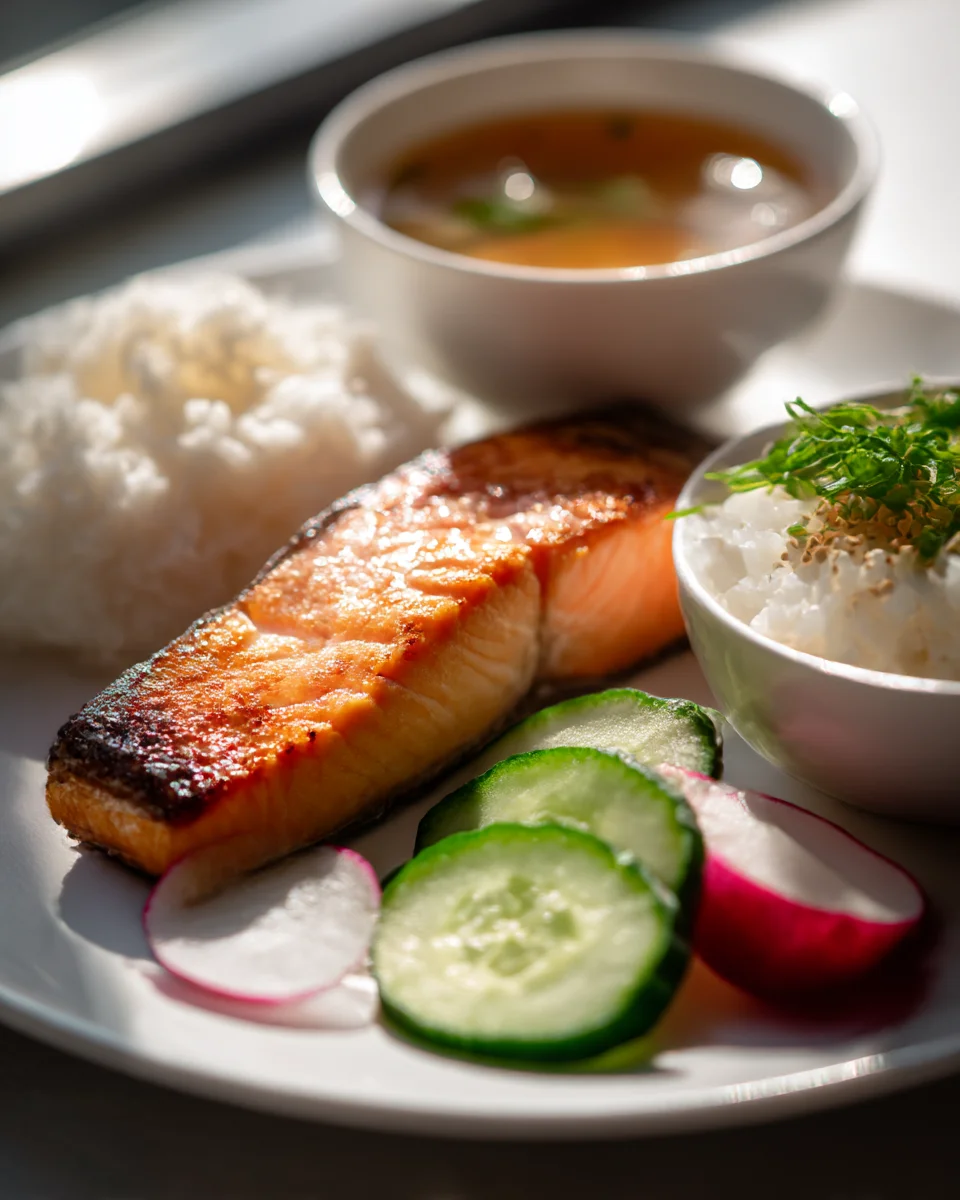
Crafting a traditional Japanese breakfast set is a truly rewarding experience, and it all begins with understanding the core ingredients that bring this wholesome meal to life. Here, I’ll walk you through what you’ll need for our star dishes: perfectly grilled salmon and comforting miso soup, along with the essential accompaniments.
For the Grilled Salmon:
- Salmon Fillets: I recommend two skin-on, boneless salmon fillets (about 4-6 oz each, 1-inch thick). Wild-caught sockeye or Atlantic salmon works beautifully. The skin crisps up wonderfully when grilled or pan-fried.
- Salt: A good quality sea salt or kosher salt is all you truly need to enhance the salmon’s natural flavor.
- Optional Glaze (Non-Alcoholic): If you prefer a touch of sweetness and umami, you can create a simple glaze. I’d use 2 tablespoons of soy sauce, 1 tablespoon of a non-alcoholic cooking sweetener (like sugar or a non-alcoholic mirin alternative), and a pinch of grated fresh ginger. This adds a lovely sheen and depth of flavor.
For the Miso Soup:
- Dashi Stock: This is the soul of miso soup. You can make it from scratch using 4 cups of water, a 4-inch piece of konbu (dried kelp), and about 1/2 cup katsuobushi (bonito flakes, optional for a vegetarian version – just use konbu). Alternatively, I often use 4 cups of hot water with 1.5-2 teaspoons of instant dashi granules for convenience.
- Miso Paste: I prefer white (shiro) miso paste for its milder, sweeter flavor, perfect for breakfast. You could also use a mixed (awase) miso for a bit more richness.
- Tofu: About 4 oz silken or firm tofu, cut into 1/2-inch cubes. Silken tofu is traditional for its delicate texture.
- Wakame Seaweed: About 1 tablespoon of dried wakame. It rehydrates beautifully in the hot soup.
- Green Onions: 2 tablespoons of thinly sliced green onions (scallions) for garnish and a touch of freshness.
For the Steamed Rice:
- Japanese Short-Grain Rice: This is non-negotiable for a truly authentic experience. I recommend 1 cup of uncooked short-grain rice, which yields about 3 cups cooked.
- Water: The exact ratio depends on your rice cooker or method, but typically 1:1.25 rice to water.
Essential Side Dishes:
- Pickles (Tsukemono): A small portion of store-bought Japanese pickles (like cucumber or daikon) adds a delightful crunch and tang.
- Roasted Seaweed (Nori): Several sheets of seasoned or unseasoned roasted nori.
- Optional Protein Side: I often include a simple fried egg or a small portion of
beefnatto (fermented soybeans) if you enjoy it. A simple omelet would also be lovely.
Step-by-Step Instructions
Preparing a traditional Japanese breakfast might seem like a lot of steps, but I promise it’s very manageable, especially if you tackle the components efficiently. Here’s how I like to do it to bring everything together perfectly.
Step 1: Start the Rice (First Priority!)
- Rinse 1 cup of Japanese short-grain rice thoroughly under cold running water until the water runs clear. This removes excess starch, giving you perfectly fluffy grains.
- Combine the rinsed rice with 1.25 cups of water in a rice cooker. Cook according to your rice cooker’s instructions. If you don’t have a rice cooker, combine in a heavy-bottomed pot, bring to a boil, then reduce heat to low, cover tightly, and simmer for 15 minutes. Remove from heat and let sit, covered, for another 10 minutes before fluffing.
Step 2: Prepare the Miso Soup
- Make the Dashi: If using dashi granules, dissolve 1.5-2 teaspoons in 4 cups of hot water in a medium saucepan. If making from scratch, place 4 cups of water and konbu in the saucepan. Bring to a gentle simmer (don’t boil vigorously) for 10 minutes. Remove the konbu. Add katsuobushi (if using), simmer for 1 minute, then strain the stock through a fine-mesh sieve, discarding the katsuobushi.
- Add Ingredients: Bring the dashi back to a gentle simmer. Add the cubed tofu and dried wakame. Simmer for 2-3 minutes until the wakame rehydrates and the tofu is heated through.
- Incorporate Miso Paste: This is a crucial step to preserve miso’s flavor. In a small bowl, scoop a ladleful of the hot dashi. Add 2-3 tablespoons of miso paste (to taste) and whisk until it’s completely dissolved into a smooth slurry.
- Finish the Soup: Pour the dissolved miso mixture back into the saucepan with the dashi. Stir gently. Do NOT boil the soup after adding the miso, as this can destroy its delicate flavor and beneficial probiotics. Keep it just below a simmer.
- Garnish: Stir in most of the sliced green onions just before serving, reserving a pinch for garnish.
Step 3: Grill the Salmon
- Season the Salmon: Pat the salmon fillets very dry with paper towels. This helps achieve a crispier skin. Generously season both sides with salt. If using the non-alcoholic glaze, set it aside for later.
- Cook the Salmon: Heat a non-stick skillet or a grill pan over medium-high heat. Add a tiny bit of high-smoke-point oil (like canola or grapeseed oil) if needed, but often salmon’s fat is enough. Place the salmon fillets skin-side down. Cook for 4-6 minutes, or until the skin is crispy and the salmon is cooked halfway up the side.
- Flip and Finish: Carefully flip the salmon. Cook for another 3-5 minutes, or until cooked through to your desired doneness. If using the non-alcoholic glaze, brush it on during the last 2 minutes of cooking.
Step 4: Assemble Your Breakfast Set
- Fluff the cooked rice and serve a generous portion in a rice bowl.
- Pour the hot miso soup into a separate soup bowl and garnish with the reserved green onions.
- Place the grilled salmon on a plate.
- Arrange small portions of your chosen pickles, roasted nori, and any additional sides like a fried egg alongside.
- Serve immediately and enjoy your beautiful, nourishing traditional Japanese breakfast!
Tips & Suggestions
Creating a truly satisfying traditional Japanese breakfast is about more than just cooking; it’s about balance, presentation, and appreciating each component. Here are my top tips and suggestions to help you elevate your breakfast experience.
For the Perfect Flavor and Texture:
- Don’t Skimp on Dashi: The quality of your dashi directly impacts the flavor of your miso soup. While instant granules are convenient, I highly recommend trying to make dashi from scratch with konbu and katsuobushi at least once. The depth of umami is unparalleled. For a vegetarian option, a konbu-only dashi is wonderful.
- Season Salmon Simply: For breakfast, I find that a good sprinkle of salt is often all the salmon needs. It allows the fish’s natural flavors to shine. If you want a touch of something extra, a squeeze of lemon just before serving is delightful.
- Freshness is Key for Sides: While you can buy good quality pickles, if you have time, consider making a simple quick pickle with cucumber or radish. Slice thinly, sprinkle with salt, let sit for 10 minutes, then rinse, squeeze out excess water, and dress with a splash of rice vinegar and a pinch of sugar.
- Miso Soup Temperature: Remember, never boil miso soup after adding the miso paste. Boiling destroys the beneficial enzymes and dulls the flavor. Keep it at a gentle simmer.
Presentation Matters:
- Use Separate Bowls: A traditional Japanese breakfast is served with each component in its own dish – a rice bowl, a soup bowl, a plate for the fish, and small individual dishes for the sides. This compartmentalization is part of the aesthetic appeal and makes for a more refined dining experience.
- Garnish Thoughtfully: A sprinkle of fresh green onions on the miso soup, a tiny piece of ginger beside the salmon (if you like), or a perfectly placed piece of roasted nori can make a big difference visually.
Time-Saving and Variations:
- Prep Ahead: You can prepare your dashi stock the night before and store it in the refrigerator. You can also cube your tofu and store it in water, and slice your green onions ahead of time.
- Rice Cooker for Ease: If you don’t already have one, a rice cooker is a game-changer for consistently perfect Japanese rice. Many have timers so you can set it to be ready when you wake up!
- Other Side Dish Ideas: Beyond pickles and nori, consider adding a small portion of blanched spinach with a dash of soy sauce (ohitashi), or a soft-boiled egg.
- Non-Alcoholic Alternatives: When substituting non-alcoholic mirin or similar sweeteners, always taste as you go, as sweetness levels can vary. A pinch of sugar often works just as well.
Enjoy the mindful process of preparing and savoring this incredibly balanced and nutritious breakfast!
Storage
After you’ve enjoyed your delightful traditional Japanese breakfast, you might find yourself with leftovers. Proper storage is key to maintaining food safety and quality. Here’s how I handle storing the different components of this meal:
Cooked Salmon:
- Refrigeration: Any leftover grilled salmon should be stored in an airtight container in the refrigerator within two hours of cooking. It will stay fresh for up to 2-3 days.
- Reheating: To reheat, I recommend gently warming it in a pan over low heat or in a microwave on a low setting to prevent it from drying out. You can also enjoy it cold, flaked over a salad or rice.
Miso Soup:
- Refrigeration: Miso soup can be stored in an airtight container in the refrigerator for up to 2-3 days. The ingredients like tofu and wakame might soften further, but the soup will still be delicious.
- Reheating: Gently reheat the miso soup on the stovetop over low heat, stirring occasionally. Avoid boiling it, especially if it contains miso paste (which it should, of course!), as high heat can alter its flavor and destroy beneficial probiotics. If you’re concerned about texture, you can remove the solid ingredients, reheat the broth separately, and then add the solids back in.
Cooked Rice:
- Refrigeration: Cooked Japanese short-grain rice can be stored in an airtight container in the refrigerator for up to 3-4 days. It’s important to cool it down quickly after cooking to prevent bacterial growth.
- Reheating: For best results, sprinkle a few drops of water over the rice, cover it, and reheat it in the microwave until hot and fluffy. If you have a steamer, that works wonderfully too to restore its texture. Avoid reheating rice multiple times.
Side Dishes (Pickles, Nori, etc.):
- Pickles (Tsukemono): Store-bought pickles typically have their own best-by dates and storage instructions (usually refrigerated after opening). If you made fresh quick pickles, they are best eaten within 2-3 days, stored in an airtight container in the fridge.
- Roasted Seaweed (Nori): Opened packages of nori should be resealed tightly and stored in a cool, dry place to prevent them from becoming stale or absorbing moisture. It’s best consumed within a few days of opening for optimal crispness.
- Other Fresh Sides: Any fresh vegetable sides or egg dishes should be stored separately in airtight containers and consumed within 1-2 days for optimal freshness.
Always trust your senses: if something looks, smells, or tastes off, it’s best to discard it. Food safety is paramount, and enjoying fresh, properly stored ingredients makes for the best dining experience.
Final Thoughts
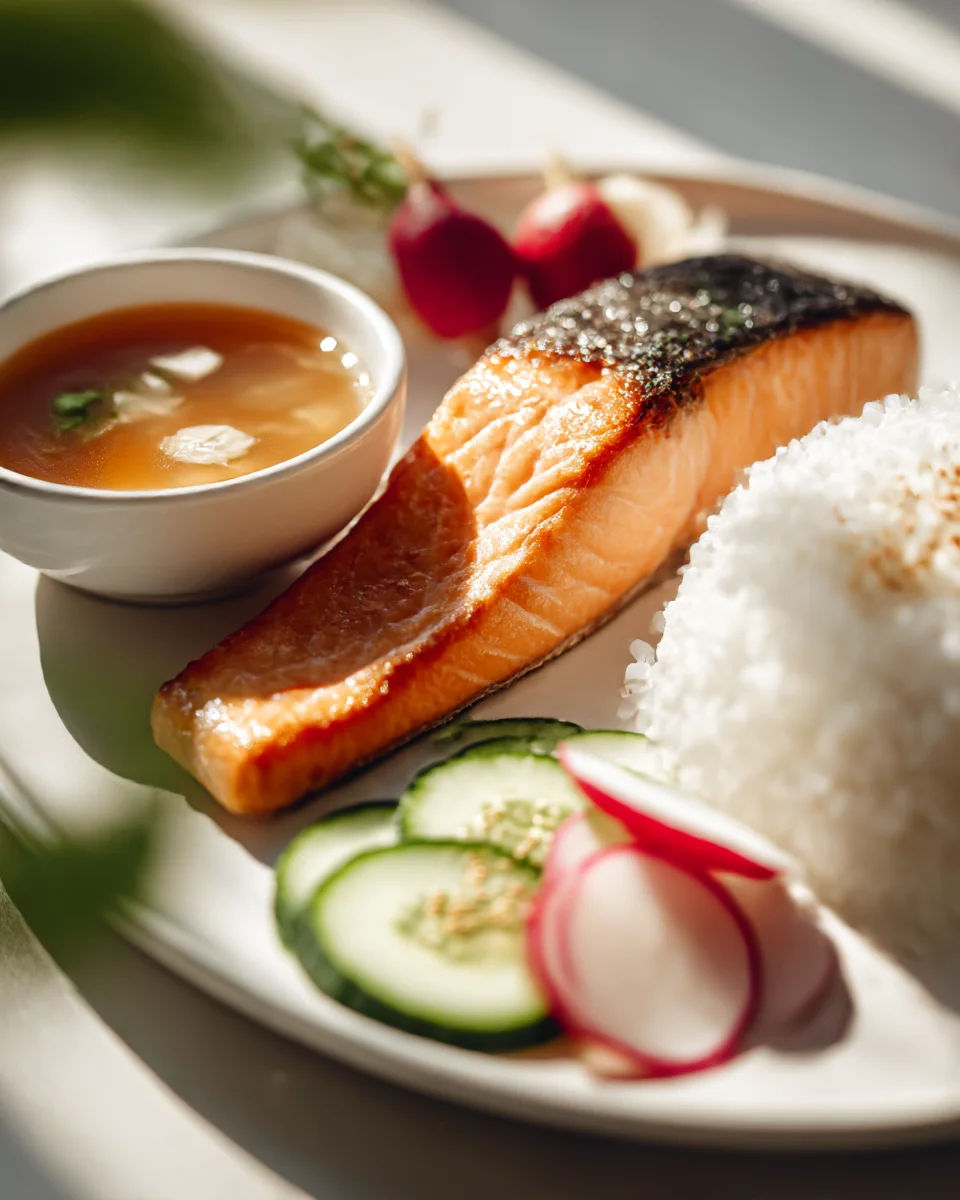
So there you have it – the Traditional Japanese Breakfast Set With Grilled Salmon And Miso Soup. I truly believe that once you try preparing this set, you’ll understand why it’s so much more than just a meal; it’s an experience that nourishes your body and soul. This isn’t just any breakfast; it’s a harmonious blend of flavors and textures that truly sets a positive tone for your day.
The perfectly cooked, savory grilled salmon, paired with the comforting, umami-rich miso soup and the thoughtful array of side dishes, creates a balanced and incredibly satisfying start. Each component of the Traditional Japanese Breakfast Set With Grilled Salmon And Miso Soup works in concert, offering a wonderful combination of protein, healthy fats, and fresh vegetables. It’s a wholesome, invigorating way to embrace the morning, and I can’t recommend it enough.
I hope you find as much joy in preparing and savoring your very own Traditional Japanese Breakfast Set With Grilled Salmon And Miso Soup as I do. It’s a truly rewarding culinary journey that brings a touch of calm and deliciousness to your everyday routine. Enjoy!

Traditional Japanese Breakfast: Grilled Salmon & Miso Soup
- Total Time: 1 hour
- Yield: 2 servings 1x
Description
Start your day with a nourishing and beautifully balanced traditional Japanese breakfast featuring flaky grilled salmon and comforting miso soup. This complete culinary experience embodies harmony and health, making it an ideal way to begin your day.
Ingredients
- 2 skin-on, boneless salmon fillets (about 4–6 oz each, 1-inch thick)
- Good quality sea salt or kosher salt
- 2 tablespoons of soy sauce (optional glaze)
- 1 tablespoon of a non-alcoholic cooking sweetener (like sugar or a non-alcoholic mirin alternative) (optional glaze)
- A pinch of grated fresh ginger (optional glaze)
- 4 cups of water (for dashi stock)
- A 4-inch piece of konbu (dried kelp) (for dashi stock)
- About 1/2 cup katsuobushi (bonito flakes, optional for a vegetarian version)
- 1.5–2 teaspoons of instant dashi granules (optional for convenience)
- 2–3 tablespoons of white (shiro) miso paste
- About 4 oz silken or firm tofu, cut into 1/2-inch cubes
- About 1 tablespoon of dried wakame seaweed
- 2 tablespoons of thinly sliced green onions (scallions)
- 1 cup of uncooked Japanese short-grain rice
- 1.25 cups of water (for rice)
- A small portion of store-bought Japanese pickles (like cucumber or daikon)
- Several sheets of seasoned or unseasoned roasted nori
- A simple fried egg or a small portion of natto (optional protein side)
Instructions
- Rinse 1 cup of Japanese short-grain rice thoroughly under cold running water until the water runs clear. Combine the rinsed rice with 1.25 cups of water in a rice cooker. Cook according to your rice cooker's instructions.
- If you don't have a rice cooker, combine in a heavy-bottomed pot, bring to a boil, then reduce heat to low, cover tightly, and simmer for 15 minutes. Remove from heat and let sit, covered, for another 10 minutes before fluffing.
- Make the Dashi: If using dashi granules, dissolve 1.5-2 teaspoons in 4 cups of hot water in a medium saucepan. If making from scratch, place 4 cups of water and konbu in the saucepan. Bring to a gentle simmer for 10 minutes. Remove the konbu. Add katsuobushi (if using), simmer for 1 minute, then strain the stock through a fine-mesh sieve.
- Bring the dashi back to a gentle simmer. Add the cubed tofu and dried wakame. Simmer for 2-3 minutes until the wakame rehydrates and the tofu is heated through.
- In a small bowl, scoop a ladleful of the hot dashi. Add 2-3 tablespoons of miso paste and whisk until it's completely dissolved into a smooth slurry.
- Pour the dissolved miso mixture back into the saucepan with the dashi. Stir gently. Do NOT boil the soup after adding the miso.
- Stir in most of the sliced green onions just before serving, reserving a pinch for garnish.
- Pat the salmon fillets very dry with paper towels. Generously season both sides with salt. Heat a non-stick skillet or a grill pan over medium-high heat. Add a tiny bit of high-smoke-point oil if needed.
- Place the salmon fillets skin-side down. Cook for 4-6 minutes, or until the skin is crispy and the salmon is cooked halfway up the side.
- Carefully flip the salmon. Cook for another 3-5 minutes, or until cooked through to your desired doneness. If using the non-alcoholic glaze, brush it on during the last 2 minutes of cooking.
- Fluff the cooked rice and serve a generous portion in a rice bowl.
- Pour the hot miso soup into a separate soup bowl and garnish with the reserved green onions.
- Place the grilled salmon on a plate.
- Arrange small portions of your chosen pickles, roasted nori, and any additional sides like a fried egg alongside.
- Serve immediately and enjoy your beautiful, nourishing traditional Japanese breakfast!
- Prep Time: 30 mins
- Cook Time: 30 mins
- Category: Breakfast
- Method: Grilling and Simmering
- Cuisine: Japanese
Nutrition
- Serving Size: 1 bowl
- Calories: 600
- Sugar: 5 g
- Sodium: 800 mg
- Fat: 30 g
- Saturated Fat: 5 g
- Unsaturated Fat: 20 g
- Trans Fat: 0 g
- Carbohydrates: 60 g
- Fiber: 3 g
- Protein: 35 g
- Cholesterol: 70 mg
Keywords: For the best flavor, try making dashi from scratch. Remember to never boil miso soup after adding miso paste to preserve its flavor and beneficial probiotics.



Leave a Comment