
Homemade Miso Soup
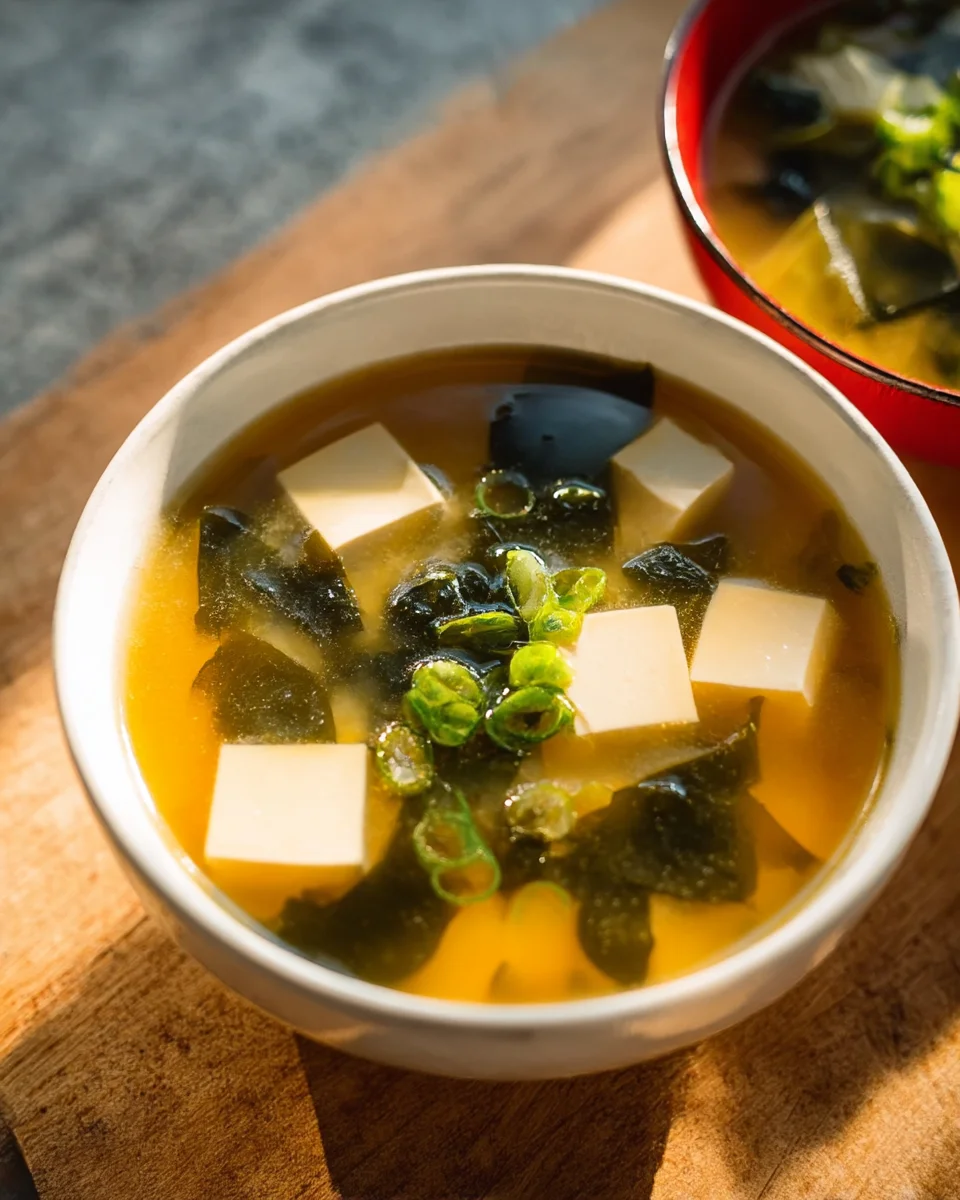
There’s something truly magical about a warm bowl of Homemade Miso Soup. It’s more than just a dish; it’s a comforting hug in a bowl that transports me right to the heart of Japan with every slurp. What makes this recipe special is its simplicity and the depth of flavor that comes from just a few key ingredients. Miso, a fermented soybean paste, brings a rich umami taste that is both satisfying and nourishing.
You’ll love this recipe because it’s incredibly versatile and can easily be customized to suit your taste. Whether you’re a fan of silky tofu, vibrant green onions, or a handful of seaweed, this soup is like a blank canvas ready for your personal touch. Plus, it’s quick to prepare, making it the perfect weeknight meal or an elegant starter for a dinner party. So grab your apron and let’s dive into the world of Homemade Miso Soup—a delightful dish that warms both the body and soul!
Ingredient Notes
When making Homemade Miso Soup, the ingredients you choose play a crucial role in the final flavor and texture of the dish. Here are the key ingredients and some possible substitutions:
- Miso Paste: This is the star ingredient. I recommend using white miso for a milder flavor or red miso for a stronger taste. If you’re looking for a gluten-free option, check for miso made from rice or chickpeas.
- Dashi Stock: Traditionally, dashi is made from kombu (seaweed) and bonito flakes. For a vegetarian version, use kombu alone or a vegetable broth as a base.
- Tofu: Silken tofu is commonly used for its smooth texture. Firm tofu can be used if you prefer a bit more bite. You can also substitute tofu with cooked chicken or shrimp for a non-vegetarian option.
- Seaweed: Wakame is the most commonly used seaweed in miso soup. You can find it dried, and it rehydrates beautifully. If you can’t find wakame, any edible seaweed such as nori can be used in a pinch.
- Green Onions: These add freshness and a bit of crunch. You can replace them with chives or shallots if you prefer.
- Vegetables: You can add vegetables like mushrooms, spinach, or bok choy. Feel free to substitute with whatever vegetables you have on hand.
Step-by-Step Instructions
Making Homemade Miso Soup is quite simple and enjoyable. Here’s how I do it:
- Prepare the Dashi: If using kombu, place a piece in a pot with 4 cups of water and let it soak for about 30 minutes. After soaking, bring it to a gentle boil and remove the kombu. If you’re using instant dashi powder, simply dissolve it in water according to package instructions.
- Add the Tofu: Cut your silken tofu into cubes. Gently add the tofu to the dashi and let it warm through for about 5 minutes.
- Incorporate the Miso Paste: In a small bowl, mix 3 tablespoons of miso paste with a ladle of the warm dashi to dissolve it. Then, stir this mixture back into the pot. Be careful not to boil the soup after adding the miso, as it can lose its flavor and health benefits.
- Add the Seaweed: If using dried wakame, add a handful to the pot now. It will rehydrate and expand, adding a lovely texture to the soup.
- Season and Serve: Taste the soup and adjust the seasoning with more miso if desired. Just before serving, sprinkle chopped green onions on top for a fresh finish. Serve hot!
Tips & Suggestions
To elevate your Homemade Miso Soup, consider these tips:
- Experiment with Flavors: Don’t hesitate to try different types of miso or add a splash of soy sauce or sesame oil for extra depth.
- Make It Heartier: Feel free to add more vegetables or even noodles to make it a complete meal. Udon or soba noodles work wonderfully.
- Garnishes: Toppings like sesame seeds, a drizzle of chili oil, or even a few slices of radish can enhance the soup’s flavor.
- Adjust Consistency: If you prefer a thicker soup, you can blend a portion of the soup and return it to the pot.
Storage
Storing Homemade Miso Soup is straightforward:
- Refrigeration: Store any leftovers in an airtight container in the fridge. It’s best consumed within 2-3 days.
- Freezing: You can freeze the soup without adding tofu and seaweed. When ready to eat, reheat and add fresh tofu and rehydrated seaweed.
- Reheating: Gently reheat the soup on the stove over low heat. Avoid boiling to maintain the flavor integrity of the miso.
Enjoy your Homemade Miso Soup as a comforting starter or a light meal. It’s a versatile dish that can be tailored to your taste and is sure to warm you up!

Final Thoughts
If you’re looking to warm your heart and soul, then Homemade Miso Soup is an absolute must-try! This delightful recipe not only brings together simple ingredients but also allows for endless customization to suit your taste. The rich umami flavor of miso combined with the comforting broth creates a bowl of happiness that can brighten even the gloomiest days. Whether you enjoy it as a light meal or a cozy starter, Homemade Miso Soup is a nourishing hug in a bowl. So gather your ingredients, unleash your creativity, and enjoy the journey of making this delicious soup that’s sure to become a staple in your kitchen. Trust me, your taste buds will thank you!

Delicious Homemade Miso Soup Recipe You Can Make Today!
- Total Time: 25 minutes
- Yield: 4 servings
Description
Homemade Miso Soup is a comforting hug in a bowl that transports you to Japan with every slurp. This versatile soup is quick to prepare and can be customized to suit your taste.
Ingredients
- Miso Paste
- Dashi Stock
- Tofu (Silken or Firm)
- Seaweed (Wakame or Nori)
- Green Onions
- Vegetables (Mushrooms, Spinach, Bok Choy)
Instructions
- Prepare the Dashi: If using kombu, place a piece in a pot with 4 cups of water and let it soak for about 30 minutes. After soaking, bring it to a gentle boil and remove the kombu. If you're using instant dashi powder, simply dissolve it in water according to package instructions.
- Add the Tofu: Cut your silken tofu into cubes. Gently add the tofu to the dashi and let it warm through for about 5 minutes.
- Incorporate the Miso Paste: In a small bowl, mix 3 tablespoons of miso paste with a ladle of the warm dashi to dissolve it. Then, stir this mixture back into the pot. Be careful not to boil the soup after adding the miso, as it can lose its flavor and health benefits.
- Add the Seaweed: If using dried wakame, add a handful to the pot now. It will rehydrate and expand, adding a lovely texture to the soup.
- Season and Serve: Taste the soup and adjust the seasoning with more miso if desired. Just before serving, sprinkle chopped green onions on top for a fresh finish. Serve hot!
- Prep Time: 10 mins
- Cook Time: 15 mins
- Category: Soup
- Method: Cooking
- Cuisine: Japanese
Nutrition
- Serving Size: 1 bowl
- Calories: 80
- Sugar: 1 g
- Sodium: 800 mg
- Fat: 4 g
- Saturated Fat: 0.5 g
- Unsaturated Fat: 3.5 g
- Trans Fat: 0 g
- Carbohydrates: 8 g
- Fiber: 1 g
- Protein: 5 g
- Cholesterol: 0 mg
Keywords: Experiment with different types of miso or add a splash of soy sauce or sesame oil for extra depth. Feel free to add more vegetables or even noodles to make it a complete meal.



Leave a Comment