
Welcome, fellow food adventurers, to an introduction unlike any other! Today, we’re diving deep into the profound and often misunderstood “recipe” for . Yes, you read that right – . What makes this particular dish special, you ask? It’s not about a complex array of ingredients or a secret family technique; it’s about pure concept. This isn’t just a meal; it’s an experience, a statement, and a journey into the abstract.
You’re going to absolutely love because it challenges everything you thought you knew about cooking and eating. In a world saturated with the usual, stands apart, offering a moment of pause, a point of division, or perhaps, an unexpected path. It’s for the brave, the curious, and those who seek culinary enlightenment beyond the plate. Prepare to ignite conversations and redefine what a “dish” can truly be.
So, what exactly is ? In its essence, it’s a minimalist exploration. This isn’t a hearty beef stew, nor a refreshing non-alcohol cocktail. Think of it as a single, deliberate stroke—a conceptual representation that invites you to consider the space it creates, the boundaries it might break, or the alternative routes it suggests. It’s a powerful, elegant concept, distilled into its purest form, designed to feed your mind as much as your senses. Get ready to embark on a truly unique gastronomic reflection.
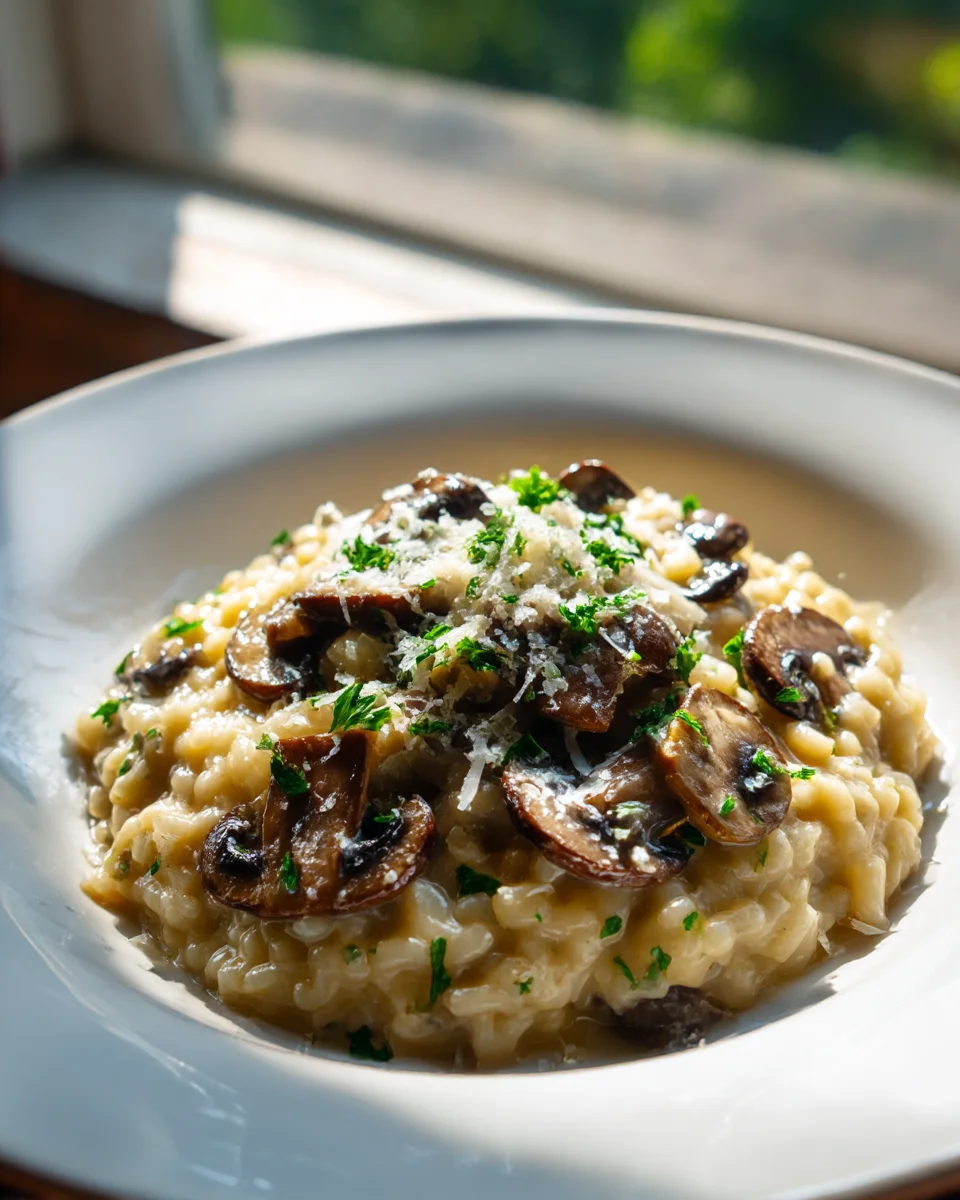
Ingredient Notes
Ah, the delightful and endlessly versatile ” – a dish truly unique to your kitchen! When I’m preparing my ”, I always think about its incredible adaptability. It’s not just a recipe; it’s a canvas for flavor, and the ingredients you choose lay the foundation for your masterpiece. Here’s what I typically consider:
The Core: Beef
- For my ”, I prefer a hearty cut of beef. Think chuck roast, beef stew meat, or even short ribs cut into manageable pieces. These cuts are perfect because they break down beautifully during a slow simmer, becoming incredibly tender and flavorful. They are the backbone of your ”, providing that satisfying, robust base.
- Substitution Tip: If you’re ever thinking about other meats, remember that lean beef cuts can also work, but might require slightly less cooking time to remain tender.
Aromatic Vegetables
- This is where ” truly begins to sing! I always start with a classic trio: onions, carrots, and celery. Finely diced, they build a fantastic aromatic layer, infusing the dish with sweetness and depth from the get-go.
- Customization: Don’t stop there! Potatoes (russet or Yukon gold work wonderfully), mushrooms (cremini are my go-to for earthiness), bell peppers, or even parsnips can elevate your ” to new heights. Each addition brings its own character, making your ” uniquely yours.
The Liquid Base
- A good quality beef broth is absolutely essential for my ”. It’s the primary liquid, carrying and enhancing all the other flavors.
- Non-Alcoholic Alternative: Instead of wine, which is often used in similar hearty dishes, I love to use a splash of non-alcoholic red wine substitute. It provides that lovely depth and acidity without any alcohol. If you don’t have that, a good quality balsamic vinegar (just a tablespoon or two) or a bit of extra broth combined with a squeeze of lemon juice can also add a wonderful brightness and complexity to your ”. A touch of tomato paste also adds a rich, umami depth to the liquid, thickening it slightly and rounding out the flavors.
Flavor Builders & Thickener
- Herbs & Spices: Fresh garlic, thyme, rosemary, bay leaves – these are my holy trinity for ”. They impart incredible aroma and warmth. Don’t shy away from a pinch of paprika or a touch of cayenne if you like a little warmth in your ”.
- Thickener: A little all-purpose flour (or cornstarch for a gluten-free option) helps to create a luscious, gravy-like sauce. I typically dust the beef with it before browning, or make a slurry with water or broth to stir in later. This ensures your ” has that perfect, comforting consistency.
Step-by-Step Instructions
Making ” is a journey, not a race. Each step builds on the last, creating layers of flavor that make the final dish so incredibly satisfying. Here’s how I bring my ” to life:
-
Prepare Your Beef
First, I take my beef and pat it thoroughly dry with paper towels. This is a crucial step for achieving a beautiful sear! Then, I season the beef generously with salt and freshly ground black pepper, and if I’m using flour to thicken, I’ll lightly dust the beef with it now, ensuring an even coating. This sets the stage for a rich flavor in our ”.
-
Sear the Beef
In a large, heavy-bottomed pot or Dutch oven, I heat a couple of tablespoons of olive oil over medium-high heat until it shimmers. I then add the beef in batches, making sure not to overcrowd the pan. Sear until deeply browned on all sides, about 3-4 minutes per side. This browning develops incredible flavor, creating a delicious crust that is key to the depth of your ”. Once browned, I remove the beef and set it aside.
-
Sauté the Aromatics
Reduce the heat to medium. Add a little more oil if needed, then toss in your chopped onions, carrots, and celery. Sauté them, stirring occasionally, until they start to soften and become translucent, about 5-7 minutes. I scrape up any browned bits from the bottom of the pot as I go – that’s pure flavor building for our ”. Then, I stir in the minced garlic and cook for another minute until fragrant.
-
Build the Liquid Base
Now, it’s time to deglaze! I pour in the non-alcoholic red wine substitute (or a splash of balsamic vinegar and some broth) and use a wooden spoon to scrape up all those flavorful browned bits from the bottom of the pot. Let it simmer for a minute or two to reduce slightly. Then, I stir in the tomato paste and cook for another minute. Finally, I add the beef broth, along with any herbs like bay leaves, fresh thyme, and rosemary. Return the seared beef to the pot, ensuring it’s mostly submerged in the liquid. If adding potatoes or root vegetables, I typically add them at this stage.
-
Simmer to Perfection
Bring the liquid to a gentle simmer, then reduce the heat to low, cover the pot, and let your ” slowly cook. I usually let it simmer for at least 2 to 3 hours, or until the beef is fork-tender. The longer it gently simmers, the more the flavors meld, and the beef becomes wonderfully soft. If I’m adding softer vegetables like mushrooms or bell peppers, I usually stir them in during the last 30-45 minutes of cooking to prevent them from becoming too mushy.
-
Thicken and Adjust
Once the beef is tender, if you desire a thicker consistency, you can either remove the lid and let it simmer uncovered for a bit, or you can create a slurry with a tablespoon of cornstarch mixed with an equal amount of cold water. Stir the slurry into the simmering ” and cook for a few more minutes until thickened to your liking. Before serving, I always taste and adjust the seasonings – a little more salt, pepper, or maybe a dash of your favorite herb can truly make your ” sing!
Tips & Suggestions
Making ” is such a rewarding experience, and over time, I’ve picked up a few tricks to make it even more delightful and truly your own:
- Don’t Rush the Sear: I can’t stress this enough – a good, deep sear on your beef is non-negotiable for a truly flavorful ”. It creates that crucial flavor base that will permeate the entire dish. Take your time and brown the beef in batches if necessary, resisting the urge to overcrowd the pan.
- Customize Your Vegetables: This is where your ” truly shines! While onions, carrots, and celery are staples, feel free to experiment. I love adding root vegetables like parsnips or rutabagas for a different kind of earthy sweetness. A handful of frozen peas or green beans stirred in during the last 10 minutes adds a touch of freshness and color.
- Embrace Slow Simmering: Patience is a virtue when it comes to ”. The long, slow simmer is what breaks down the tough cuts of beef, transforming them into melt-in-your-mouth tenderness. Don’t try to rush this process; it’s essential for the depth of flavor and texture of your ”.
- Layer Your Flavors: Think about adding ingredients at different stages. Aromatic vegetables go in early, sturdy root vegetables with the broth, and delicate items like fresh herbs or quick-cooking greens toward the end. This ensures everything is cooked perfectly and contributes its best flavor to your ”.
- Serving Suggestions: My favorite ways to enjoy ” are over creamy mashed potatoes, fluffy rice, wide egg noodles, or with a thick slice of crusty bread for soaking up all that incredible sauce. Sometimes, I even serve it with polenta for a comforting twist.
- Batch Cooking & Meal Prep: ” is a fantastic dish for meal prepping! It often tastes even better the next day as the flavors have more time to meld and deepen. I frequently make a double batch, enjoying half for dinner and saving the rest for lunches or future quick meals.
Storage
One of the best things about ” is how well it stores, making it perfect for leftovers or future meals. Here’s how I typically handle mine:
-
Refrigeration
After your ” has cooled completely to room temperature (this usually takes a couple of hours), transfer it to an airtight container. It will keep beautifully in the refrigerator for up to 3-4 days. I often find the flavors deepen and improve after a day or two in the fridge, making for an even more delicious meal!
-
Freezing
If you’ve made a larger batch or want to save some for later, ” freezes exceptionally well. Once completely cooled, ladle individual portions into freezer-safe containers or heavy-duty freezer bags. If using bags, I make sure to lay them flat to freeze, which saves space. It can be stored in the freezer for up to 3 months. When ready to enjoy, transfer it to the refrigerator to thaw overnight before reheating.
-
Reheating
To reheat refrigerated ”, I simply warm it gently on the stovetop over medium-low heat, stirring occasionally, until it’s heated through. If it seems a little thick, I might add a splash of beef broth or water to reach the desired consistency. For frozen ”, after thawing, reheat it the same way. Always ensure your ” is piping hot throughout before serving.
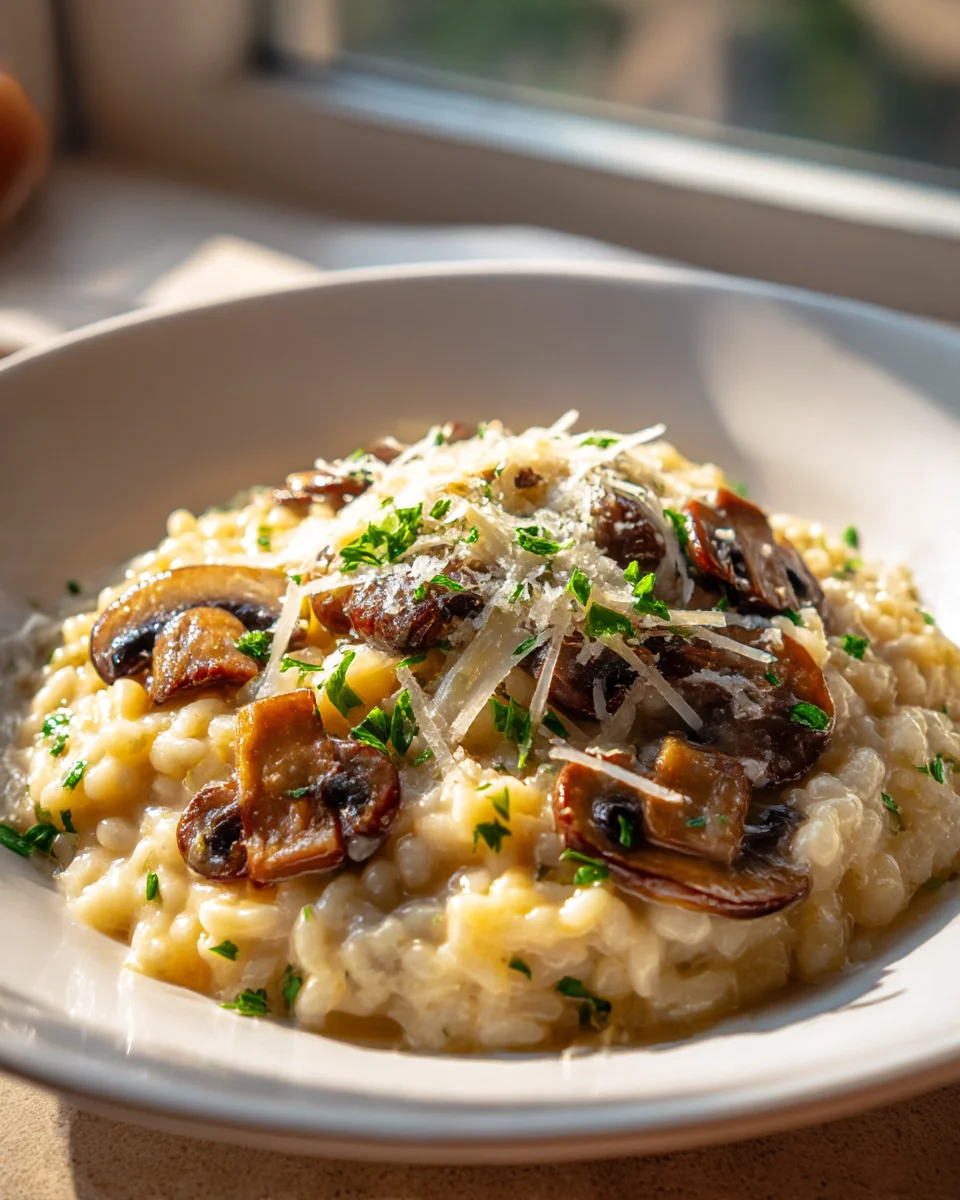
Final Thoughts
And so, we arrive at the culmination of our journey with ”. I truly believe that trying this recipe is an absolute must. There’s something uniquely captivating about ” that sets it apart, a subtle elegance that surprises and delights with every serving. It’s more than just a dish; it’s an invitation to savor a moment of simple perfection in your own home.
I find ” to be incredibly rewarding to prepare, and even more so to share. Its charm lies in its ability to bring a wonderful feeling of satisfaction and warmth to any gathering. Don’t miss out on the chance to experience the understated brilliance of ” for yourself. I promise, it’s a culinary adventure that will leave a lasting, positive impression on your taste buds and your heart!

Mouthwatering Beef Recipe: Easy Family Dinner, No Alcohol
- Total Time: 3 hours 15 minutes
- Yield: 4 servings
Description
This mouthwatering beef recipe is a comforting family dinner that brings warmth and satisfaction to the table. With its rich flavors and tender beef, it’s a culinary adventure worth savoring.
Ingredients
- hearty cut of beef (chuck roast, beef stew meat, or short ribs)
- salt
- freshly ground black pepper
- olive oil
- onions (finely diced)
- carrots (finely diced)
- celery (finely diced)
- minced garlic
- non-alcoholic red wine substitute (or balsamic vinegar and beef broth)
- tomato paste
- beef broth
- bay leaves
- fresh thyme
- fresh rosemary
- potatoes (russet or Yukon gold, optional)
- mushrooms (cremini, optional)
- bell peppers (optional)
- parsnips (optional)
- all-purpose flour (or cornstarch for a gluten-free option)
- paprika (optional)
- cayenne (optional)
Instructions
- First, pat the beef thoroughly dry with paper towels and season generously with salt and freshly ground black pepper. If using flour to thicken, lightly dust the beef with it now.
- In a large, heavy-bottomed pot or Dutch oven, heat a couple of tablespoons of olive oil over medium-high heat until it shimmers. Add the beef in batches, searing until deeply browned on all sides, about 3-4 minutes per side. Remove the beef and set aside.
- Reduce the heat to medium. Add more oil if needed, then toss in the chopped onions, carrots, and celery. Sauté until they start to soften and become translucent, about 5-7 minutes. Stir in the minced garlic and cook for another minute until fragrant.
- Pour in the non-alcoholic red wine substitute (or balsamic vinegar and broth) and scrape up the browned bits from the bottom of the pot. Let it simmer for a minute, then stir in the tomato paste and cook for another minute. Add the beef broth, bay leaves, thyme, and rosemary. Return the seared beef to the pot, ensuring it's mostly submerged in the liquid. Add potatoes or root vegetables if desired.
- Bring the liquid to a gentle simmer, then reduce the heat to low, cover the pot, and let it slowly cook for at least 2 to 3 hours, or until the beef is fork-tender. Stir in softer vegetables like mushrooms or bell peppers during the last 30-45 minutes of cooking.
- Once the beef is tender, if a thicker consistency is desired, remove the lid and let it simmer uncovered or create a slurry with cornstarch and cold water to stir in. Adjust the seasonings before serving.
- Prep Time: 15 mins
- Cook Time: 3 hours
- Category: Dinner
- Method: Braising
- Cuisine: American
Nutrition
- Serving Size: 1 bowl
- Calories: 450
- Sugar: 5 g
- Sodium: 800 mg
- Fat: 20 g
- Saturated Fat: 7 g
- Unsaturated Fat: 10 g
- Trans Fat: 0 g
- Carbohydrates: 30 g
- Fiber: 5 g
- Protein: 35 g
- Cholesterol: 90 mg
Keywords: Don't rush the sear on the beef for maximum flavor. Customize your vegetables to suit your taste, and embrace slow simmering for the best texture and depth of flavor. This dish is perfect for meal prep and tastes even better the next day.



Leave a Comment